
Owning a dog is a wonderful experience, and dogs are among the most loyal companions in the animal kingdom. It might sound like a cliché, but the saying that a dog is ‘man’s best friend’ still rings true today.
This article will first introduce you to 10 dog breeds that are easy to train.
Next, you’ll learn about the importance of training your dog, along with tips and tricks to simplify the process.
Border Collie

Border Collies pick up new skills remarkably fast. These easy-to-train dogs are sharp learners, but that means they can just as quickly pick up bad habits as good ones. It’s crucial from the get-go to teach your Border Collie the right behaviors so they don’t fall into negative patterns.
Bred for their intense herding drive rather than simply being pets, Border Collies generally prove straightforward for owners to train. To succeed, puppy training should begin early and make the most of your dog’s keen intelligence and innate instincts.
German Shepherd

German Shepherds are not just highly intelligent—they’re also very easy to train. In fact, their intelligence can sometimes make them too clever for their own good. That’s why early training and socialization are absolutely essential.
If a German Shepherd puppy isn’t socialized and correctly taught from a young age, there’s a risk they could turn into anxious, overprotective, or unbalanced adults.
Start training your German Shepherd as soon as you bring them home. The earlier you begin, the easier it will be. Allowing a puppy to develop bad habits only makes things harder to unlearn down the road.
Australian Shepherd

Australian Shepherds have been bred for centuries to bring order to chaos. This drive is so deeply rooted they may even create a little chaos just so they can restore it.
This good-natured and easy-to-train dog is also known for being determined, assertive, and energetic, prompting owners to take a firm, steady approach when guiding these bright canines on the right path.
Belgian Shepherd

The Belgian Shepherd is gaining traction as a family dog, yet it retains the drive, temperament, and intelligence inherited from a long working history.
This breed is easy to train, but requires plenty of mental stimulation and physical exercise to stay happy. Professional training is recommended to satisfy their natural curiosity and enthusiasm for learning. Without it, they can quickly become destructive, unruly, and develop various behavioral problems.
This intelligent, active, and versatile breed can master a wide variety of advanced commands. When considering a Belgian Shepherd, remember they are extremely task-oriented and demand a significant commitment from their families.
It’s also wise to consider whether your neighborhood has smaller pets like rabbits or cats, since these dogs have a strong prey drive.
Poodle

Poodles are brilliant, affectionate, and loyal with a knack for fun and playfulness. These dogs are eager to please and, thanks to their people-loving nature, pick up commands quickly.
Whether you prefer the Standard, Miniature, or Toy variety, Poodles are similar in temperament across sizes.
Thanks to their obedient attitude and lack of desire to wander, they’re a breeze to educate. Their athletic ability, loyalty, and willingness to please make them naturally easy to train.
Collie

The Collie’s legendary coat gives it a dreamy, charming appearance. Originally bred as a Scottish herding dog, Collies were once seen primarily in fields watching over flocks.
With their friendly look and appearances in children’s films, Collies have cemented their popularity as beloved family pets.
Papillon (Continental Toy Spaniel)

The Papillon, or Continental Toy Spaniel, is a small but lively dog buzzing with energy. Don’t let their size fool you—Papillons need plenty of playtime and walks to burn off their enthusiasm.
This ancient spaniel breed owes its butterfly-inspired name to the appearance of its distinctive ears.
Papillons excel at obedience, watchdog roles, tricks, and agility. Full of life and affection, these cheerful, intelligent dogs make wonderful companions combining spirited action with cuddly companionship.
Golden Retriever

The Golden Retriever is one of the most popular and intelligent breeds in the world. Renowned for being easy to train, stunning in appearance, and endlessly charming, Goldens blossom into amiable, playful, and exceptionally social pets when given the proper training and opportunities to exercise and socialize.
No surprise, then, that the Golden Retriever is a favorite for companionship, as well as service roles like guide dogs, therapy dogs, drug detection, and search and rescue.
Training a Golden Retriever is usually straightforward, but calls for patience, tasty treats or toys, and a fun, positive mindset.
Labrador Retriever

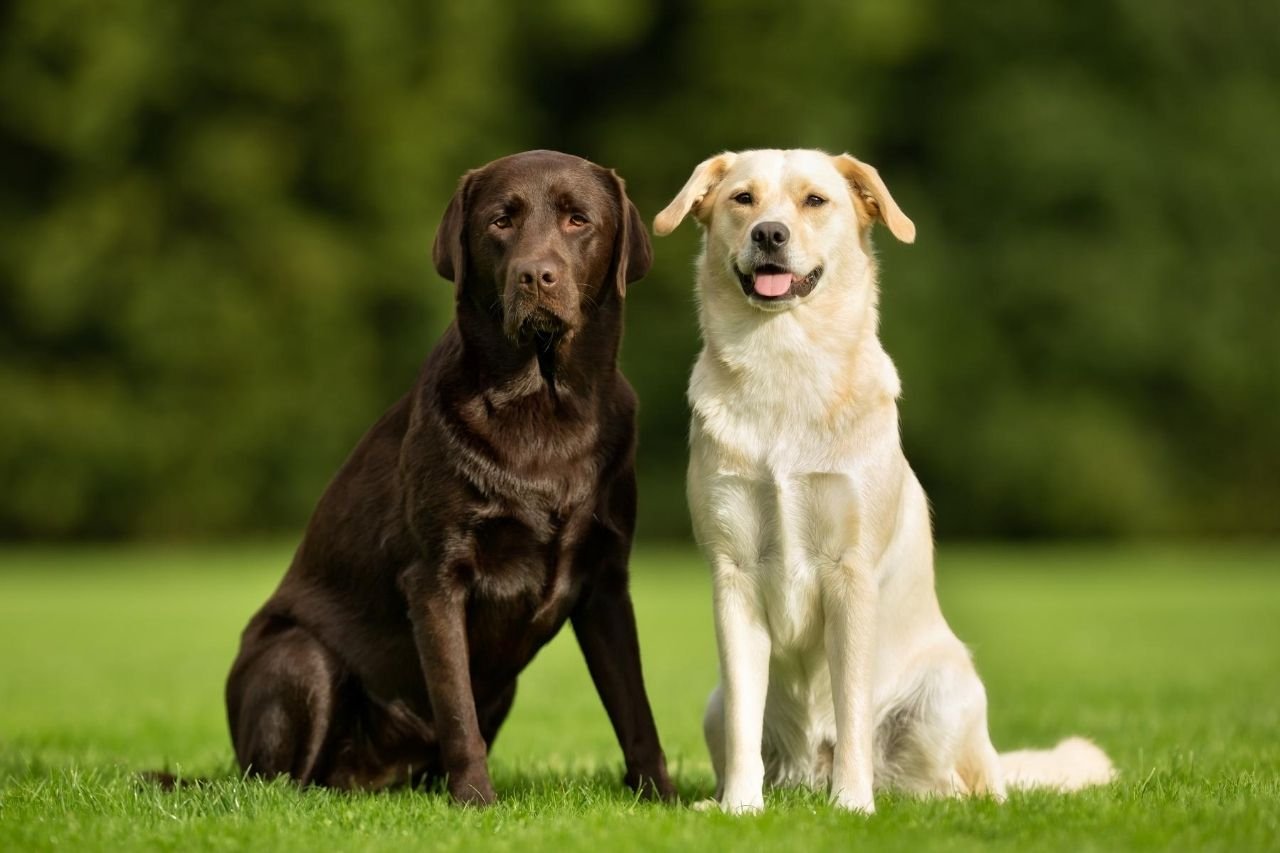
Labrador Retrievers consistently top the charts as one of the world’s most popular breeds.
Known for their sociable temperament and boundless patience, Labs make affectionate companions and excel in training.
Originally bred as hunting dogs, the Labrador is now equally renowned as an assistance dog, offering guiding services for the visually impaired and comfort as therapy dogs. By socializing them early, you can harness their protective instincts and companionship from puppyhood onward.
Australian Cattle Dog

Australian Cattle Dogs are versatile working dogs capable of learning an impressive range of skills. As a result, they’re known as gentle and easy-going, as well as highly trainable.
Cattle Dogs are extremely smart and are quick to pick up obedience commands.
With their immense work drive, they excel at hunting, chasing, and, of course, herding livestock. Their endless energy and agile stride even make them the perfect jogging partners.
The Importance of Training Your Dog
- Well-trained dogs are simply easier to live with, care for, and love.
- Dogs that are easy to train are far less likely to damage the home—they understand the boundaries you’ve set.
- Obedient dogs tend to be happier. Most owners reward good behavior, making their pets feel more content and fulfilled as a result.
Let’s dive into some tips and tricks you can use to train your dog and mold them into the perfect loyal companion.
Tips & Tricks for Training
Start Immediately
Training should begin the minute your new dog arrives. Ideally, start the very first day or at least by the next. Waiting only increases the risk of your dog learning unwanted behaviors, which can be much harder to fix later.
Establish Roles
Dogs have a pack mentality, so set boundaries from the start. As the owner, it’s up to you to make it clear who’s in charge—the “alpha”. This may mean keeping certain rooms—like the bedroom—off limits, or discouraging your dog from sleeping on the bed.
Teach Basic Commands
Before your pup is ready for walks, make sure they understand some fundamental commands. Start with simple instructions like ‘sit’ or ‘stay’. These basics can help prevent unruly behavior, especially when out and about—telling a dog to sit can quickly curb disruptive impulses.
Socialize, Socialize, Socialize
Perhaps the most overlooked area in dog education is socialization. Many owners keep their pups at home until they’re “fully trained,” but this is a serious mistake. Right from adoption, it’s vital to expose your dog to new environments and situations.
Only with such exposure will your dog learn to adapt and behave in different settings. Puppies who miss out on these experiences are more likely to become timid or anxious as they grow. Before introducing your dog to new environments, though, make sure they can follow at least a couple of your instructions.
