
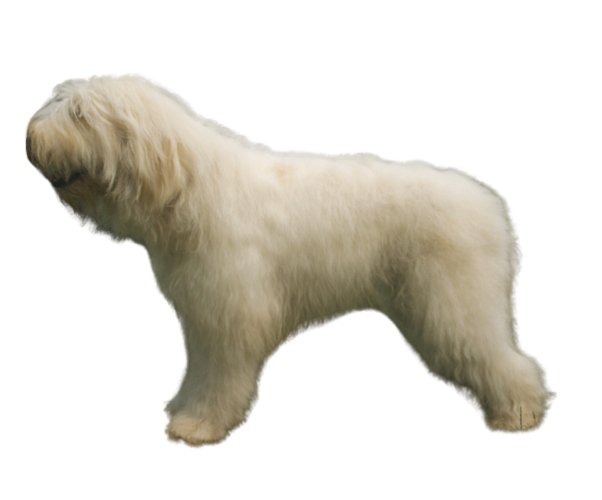
All the power and robustness are embodied in this beautiful large dog. A strong musculature and a massive bone structure are gracefully complemented by elegance and great agility. Its silhouette evokes the appearance of a bear. This enormous dog, often quick to react, exudes a lively spirit with a vigilant and noble demeanor.
Size
Males range between 65 and 75 cm (25.59 to 29.53 inches)
Females range between 62 and 75 cm (24.41 to 29.53 inches)
Weight
Males weigh between 48 and 50 kg (105.82 to 110.23 pounds)
Females weigh between 48 and 50 kg (105.82 to 110.23 pounds)
Color
The coat is typically a uniform white but can also come in shades of beige or gray. Tawny or straw hues are much rarer.
Coat
The coat is relatively long, measuring approximately 10 to 15 cm (4 to 6 inches). It is slightly wavy and generally very dense and rough, featuring a particularly abundant undercoat.
Morphology
The large, wide head features a subtle stop. The almond-shaped eyes are dark and positioned rather horizontally. The small triangular ears hang down, and the large nose is black.
According to FCI nomenclature, this dog breed belongs to group 1, section 1, and is designated #326.
>
