
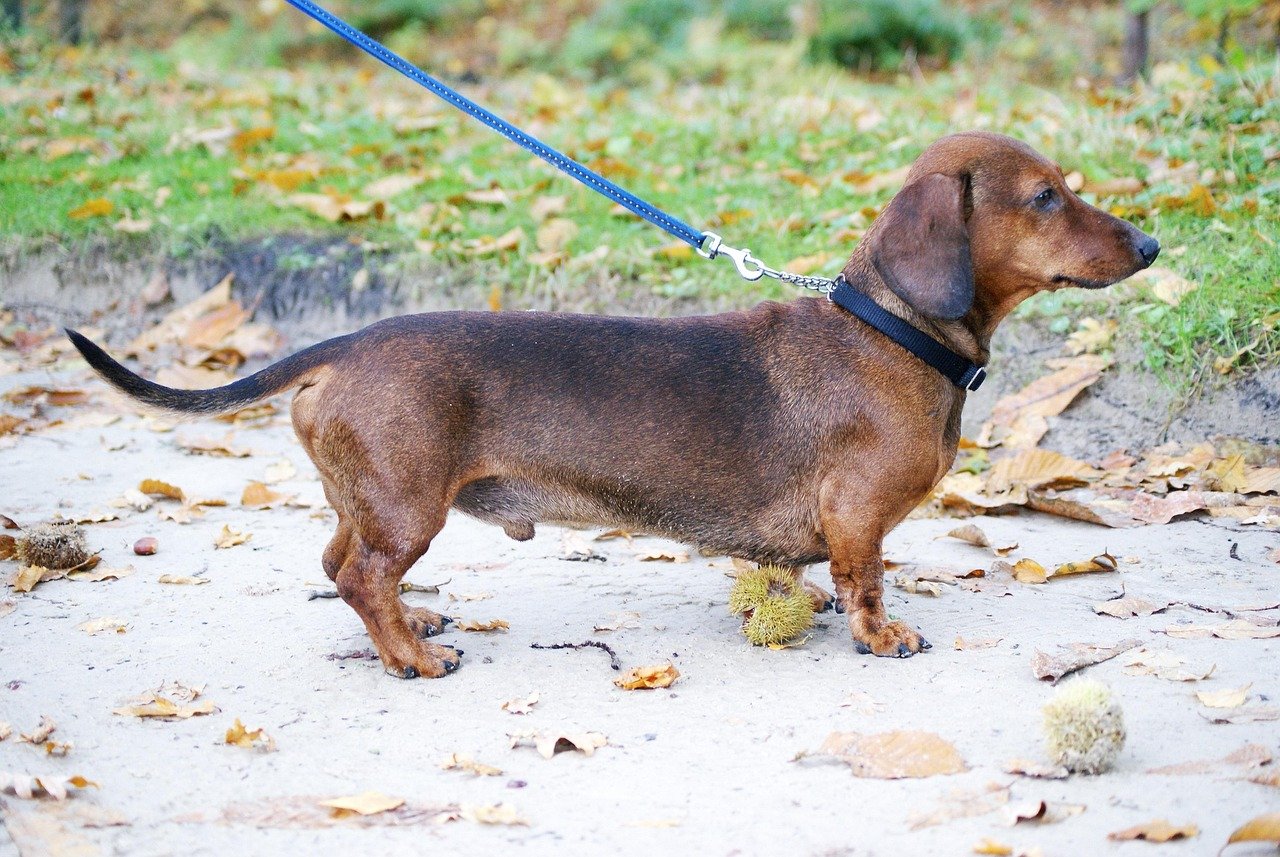
The short-haired Dachshund is a small but well-proportioned dog with short legs and a long body. Despite its compact size, this breed is sturdy, alert, and full of character. Its smooth, shiny coat is easy to maintain and comes in a variety of colors.
Breed Overview
This Dachshund variety is best suited to owners with some dog-handling experience. It requires consistent training and enjoys regular daily walks. While small in size, it has a strong personality and a natural watchdog instinct, often alerting its family with barking.
Personality and Behavior
Short-haired Dachshunds are intelligent, independent, and sometimes stubborn. They form strong bonds with their family and may be reserved with strangers. Early socialization is important to help them interact well with children and other animals. Their hunting background makes them curious and determined, especially when following scents.
Origin and History
The Dachshund originated in Germany, where it was bred to hunt burrowing animals such as badgers. Its long body and short legs allowed it to move efficiently underground. Over time, the breed became popular across Europe and later in the United States, valued both as a hunter and a companion dog.
Physical Characteristics
Adult short-haired Dachshunds typically measure around 35 cm in height and weigh between 9 and 12 kg. They have a long, muscular body, strong chest, and short, powerful legs. The coat is smooth, dense, and lies close to the body.
Health and Lifespan
Because of their elongated spine, Dachshunds are prone to back problems, particularly intervertebral disc disease. Maintaining a healthy weight is essential to reduce strain on the spine. Some individuals may also develop heart or eye conditions. With proper care, the breed enjoys a good life expectancy.
Exercise Needs
This breed needs daily exercise to stay healthy and mentally stimulated. At least 30 minutes of walking or playtime is recommended each day. Due to their strong prey drive, they should only be allowed off-leash in secure areas.
Feeding and Nutrition
A balanced, high-quality diet is essential. Meals should be divided into two portions per day, and body condition should be monitored regularly. Overfeeding can quickly lead to weight gain, increasing the risk of back injuries.
Grooming and Care
Grooming needs are minimal. Weekly brushing or rubbing with a grooming glove is enough to remove loose hair and keep the coat shiny. Basic hygiene, including nail trimming and dental care, should be maintained.
Dachshunds and Children
With proper supervision and respectful handling, short-haired Dachshunds can live well with children. Teaching children how to interact gently with dogs is important, and young children should never be left alone with a dog.
Frequently Asked Questions
What is the temperament of a short-haired Dachshund?
They are intelligent, loyal, and independent dogs with a bold personality.
Are short-haired Dachshunds easy to train?
Training can be challenging due to stubbornness, but patience and consistency produce good results.
How much exercise does this breed need?
Around 30 minutes of daily exercise is recommended.
Are Dachshunds prone to health issues?
Back problems are the most common concern, especially if the dog becomes overweight.
Is the short-haired Dachshund suitable for apartments?
Yes, as long as it receives daily exercise and mental stimulation.
Does this breed get along with other pets?
Early socialization helps, but strong hunting instincts may affect interactions with smaller animals.
How much grooming does a short-haired Dachshund require?
Very little—weekly grooming is usually sufficient.
