
What Exactly Is a Veterinary Emergency?
But what do we really mean by a “veterinary emergency”? It’s any situation where your pet’s life or immediate wellbeing is at risk. Unfortunately, there are countless scenarios: your dog struck by a car, your cat having ingested something toxic, an animal struggling to breathe, unstoppable bleeding, sudden seizures, or a mother dog that can’t deliver her puppies.
Your first mission is to quickly assess the situation’s seriousness. Certain signs demand your full attention—panting or wheezing, uncontrolled bleeding, inability to stand, pale or blue gums, or a hard, painful abdomen. When faced with these symptoms, don’t waste a second—immediate veterinary intervention is essential.
Crucial First Aid Steps While Awaiting the Vet
In the heat of a crisis, your actions can tip the scales. Notice heavy bleeding? Apply firm, steady pressure with a clean cloth. If your pet is choking and you know what you’re doing, a modified Heimlich maneuver may help—just remember, it’s different than what you’d use on a person. Suspect a fracture? Immobilize your pet and carry them on a rigid surface, like a board or sturdy piece of cardboard, minimizing all movement.
Beware of making things worse! Never administer human medications unless a vet tells you to—what’s safe for us can be deadly for dogs. Don’t attempt to induce vomiting in an unresponsive animal. And don’t remove objects deeply embedded in wounds—this could cause severe bleeding. Most importantly, keep your cool: your panic is contagious and can increase your dog’s distress, often worsening their condition.
How to Reach Emergency Veterinary Services for Dogs
Emergencies have a knack for striking at the worst possible moments. So what do you do when your regular vet’s office is closed? There are several options.
Start by calling your usual veterinary clinic—even after hours, their voicemail will typically provide instructions for emergencies. There are also specialized helplines ready to direct you toward open clinics nearby.
If you’re in the Seine-et-Marne area, an on-call emergency vet can respond swiftly and care for your dog. When calling, be methodical: clearly describe the symptoms, your pet’s general state, and give precise information about your location to accelerate help.
Real-Life Scenarios and Practical Advice
Imagine: your dog has just been hit by a car. Your first action must be to make the area safe—to prevent further accidents or put yourself in danger. Then, approach your pet with utmost caution; even the gentlest dog may bite out of fear or pain. To move them safely, gently slide a blanket or jacket underneath their body and carry them, keeping their spine as straight and stable as possible.
Another common emergency: your dog displays signs of poisoning such as drooling, vomiting, or tremors. Preserve the packaging of the suspected toxin and contact a professional immediately. Do not wait for symptoms to worsen!
Prevention is your strongest ally: puppy-proof your home as you would for a young child, secure all cleaning products and medicines, and prepare a dedicated pet first aid kit. Thoughtful preparation today could make all the difference if the worst happens tomorrow.
The Emergency Vet’s Role and the Continuity of Care
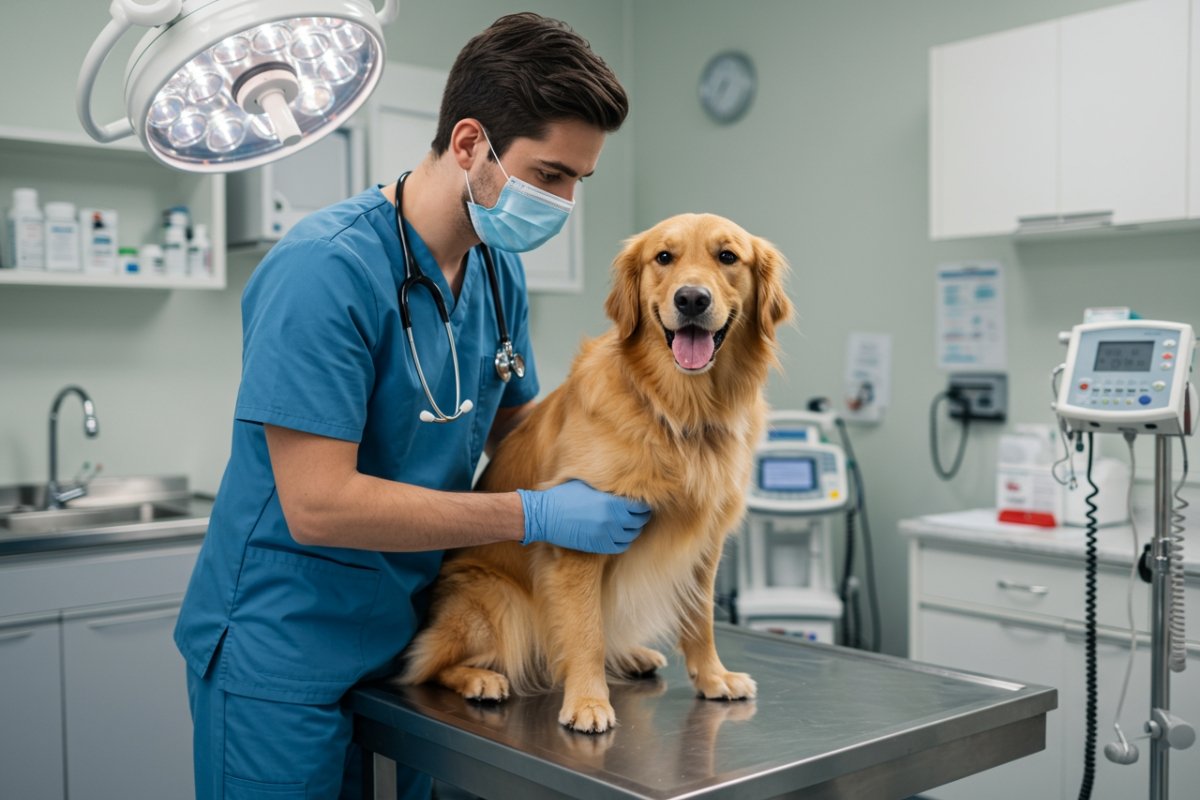
The emergency vet is not a second-rate solution. Quite the contrary—they offer a crucial service, ensuring continuity of care when most clinics are closed. Emergency vets closely coordinate with your usual veterinarian, providing a full report after urgent treatment. They adhere to the same ethical standards and guarantee high-quality care, even in the middle of the night or on a holiday.
Never overlook post-emergency follow-up—it’s just as vital as the initial response. The emergency vet will give precise aftercare instructions and tell you when to return, typically to your regular vet. Without this continuous care, full recovery may be compromised.
Conclusion & Key Takeaways
When facing a veterinary emergency, two things make all the difference: how quickly you act and how well you respond. Don’t let panic and improvisation dictate your moves. Start preparing now—save emergency numbers in your phone, put together a tailored pet first aid kit, and locate the nearest emergency veterinary services.
Responsible ownership goes far beyond daily walks and snuggles. It’s about being ready for the worst in order to face it—or better yet, prevent it. Consider taking a pet first aid course. A few hours of learning could one day spell the difference between life and death for your loyal companion.
