
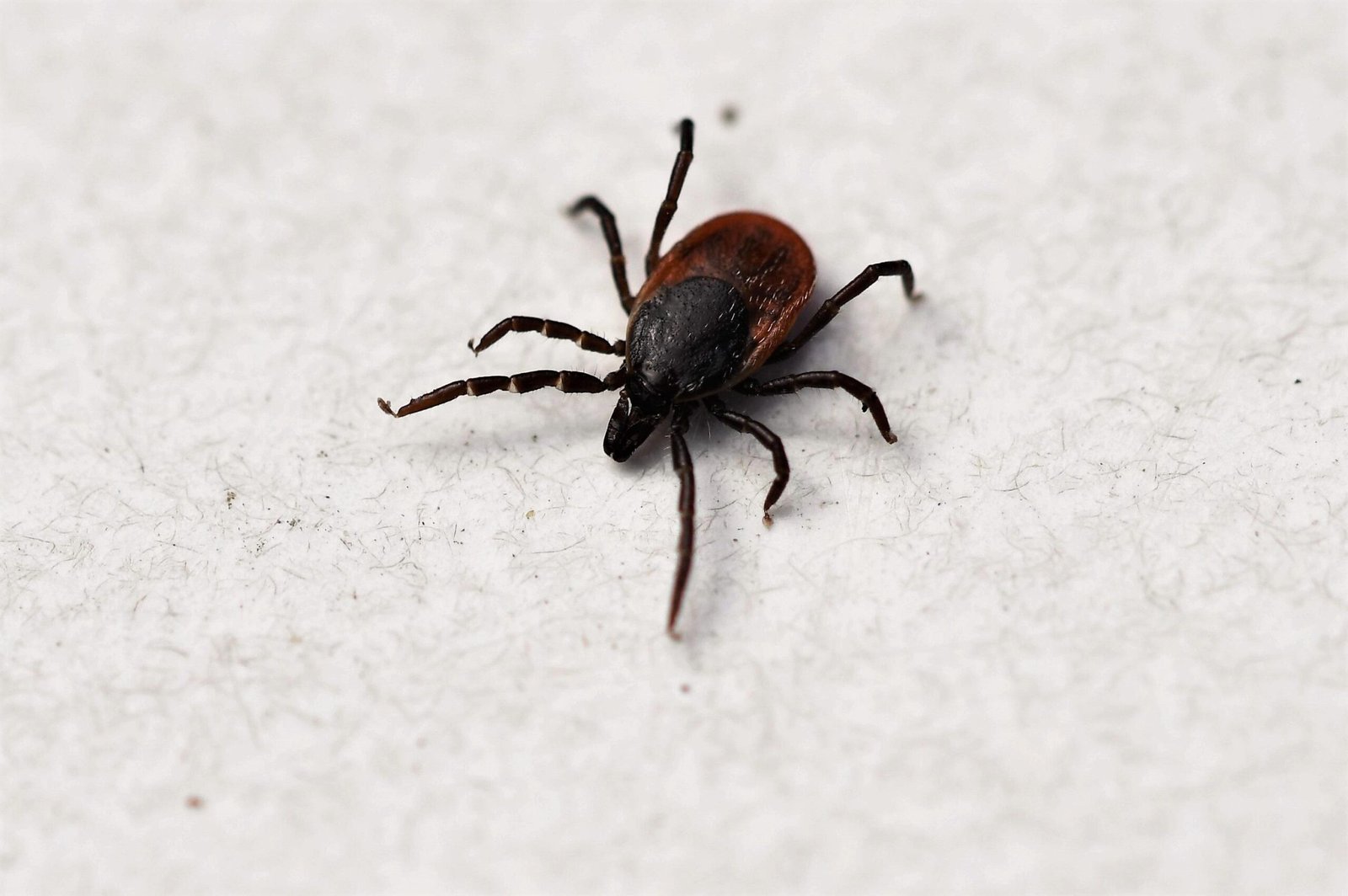
Ticks are common external parasites that dogs can pick up during walks, hikes, or time spent in grassy or wooded areas. Because ticks can transmit diseases, removing them promptly and correctly is essential. While dedicated tick-removal tools are recommended, there are safe alternatives when such tools are not available. This article explains practical methods using everyday items, outlines what to avoid, and describes the proper steps to take after removal.
Why Prompt Tick Removal Is Important
Once attached, a tick feeds on the dog’s blood and may remain in place for several days. The longer it stays attached, the greater the risk of transmitting pathogens. Early removal helps limit potential health complications and reduces skin irritation at the bite site.

Methods for Removing a Tick Without a Special Tool
Using a Loop of Thread or Dental Floss
A strong piece of thread or dental floss can be used effectively if handled with care:
- Create a small loop with the thread.
- Slide the loop gently around the tick, positioning it as close to the dog’s skin as possible.
- Pull the ends of the thread slowly and steadily, maintaining even pressure until the tick detaches.
This method requires patience. The goal is to remove the entire tick without tearing it or leaving parts embedded in the skin.
Using a Rigid Card
A rigid plastic card, such as an old bank or loyalty card, can also serve as an alternative:
- Slide the thin edge of the card under the tick, staying close to the skin.
- Apply gentle, continuous pressure to lift and push the tick away from the skin.
This technique helps avoid squeezing the tick’s body, which is important for reducing the risk of contamination at the bite site.
Methods to Avoid
Do Not Apply Oil or Other Substances
Applying oil, alcohol, or similar substances to a tick is often suggested, but it is not recommended. These products can cause the tick to regurgitate into the wound, increasing the risk of transmitting harmful microorganisms.
Why Controlled Removal Matters
Regardless of the method used, compressing the tick’s body should be avoided. Steady, controlled movement is essential to ensure the tick releases naturally without breaking apart.
Care After Tick Removal
After the tick has been removed:
- Clean the bite area with a pet-safe antiseptic.
- Dispose of the tick securely so it cannot reattach to an animal or person.
- Monitor the area over the following days for signs of redness, swelling, or irritation.
Proper aftercare supports healing and helps identify any unusual reactions early.
Conclusion
Even without a specialized tool, it is possible to remove a tick from a dog safely using simple household items such as thread or a rigid card. The key is to act calmly, apply steady pressure, and avoid methods that may increase health risks. Once the tick is removed, cleaning the area and monitoring the dog’s skin are essential steps to ensure proper recovery.
FAQ
1. Can a tick be removed safely without a tick-removal tool?
Yes, careful use of items like thread or a rigid card can allow safe removal when specialized tools are unavailable.
2. Where should the thread be placed when using the loop method?
The loop should be positioned around the tick as close to the skin as possible to ensure complete removal.
3. Why should the tick’s body not be squeezed?
Squeezing the tick can force fluids into the bite wound, increasing the risk of disease transmission.
4. Is it safe to use oil to make a tick detach?
No, applying oil or similar substances is not recommended because it can cause the tick to release harmful material into the skin.
5. What should be done after the tick is removed?
The bite area should be disinfected with a pet-safe antiseptic, and the skin should be observed for any signs of irritation or infection.
