
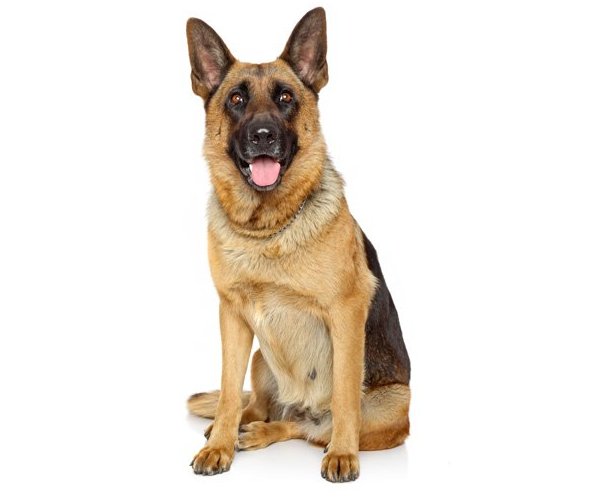
Consistent and Precise Training for German Shepherds
Training dogs can begin at any age, but starting with a German Shepherd at a young age allows for more effective prevention of behavioral issues that often arise with this breed, such as fear and possessiveness.
Importance of Early Socialization
German Shepherds can be very protective of their family members. Therefore, it is crucial to begin the socialization process early. Gradually expose your German Shepherd to the outside world while ensuring positive and enjoyable encounters with children, strangers, animals, cars, bikes, and more.
Developing a Sociable Nature
Through this approach, your dog will not be frightened or stressed but will instead be open and sociable. The German Shepherd is known for its intelligence and eagerness to learn. You don’t need to be an experienced trainer to adopt one of these remarkable dogs.
Positive Reinforcement is Key
Using positive reinforcement, you can teach your German Shepherd almost any command with ease. However, you must provide proper guidance through regular training sessions and maintain consistency in your commands, actions, and attitude.
Consistency Among Family Members
Ensure that all family members are applying the same rules to prevent confusing your dog. To reinforce your role as a trainer, consider enrolling in a training course.
>
