
Introduction
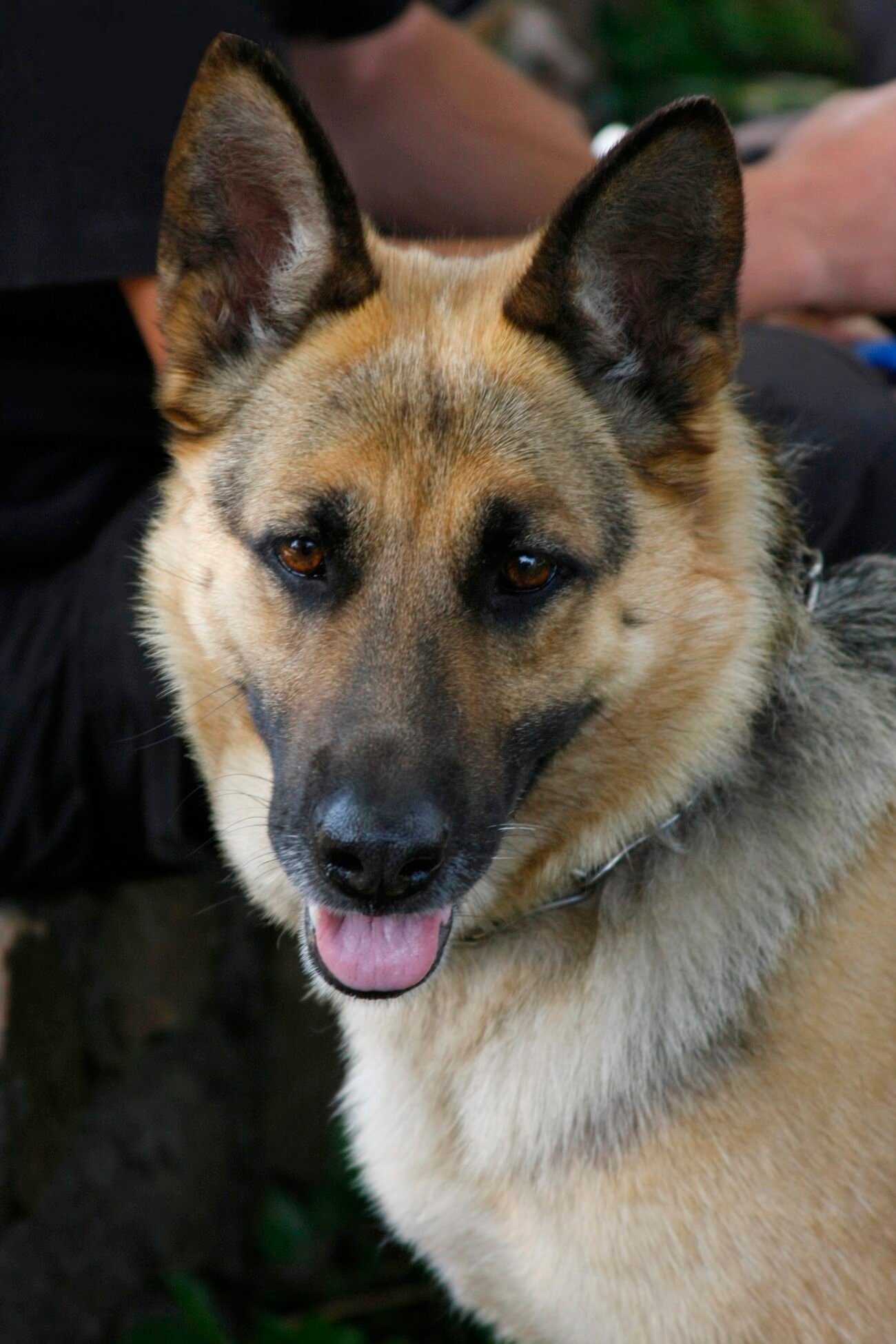
The German Shepherd is one of the most widely recognized and versatile dog breeds in the world. Known for its intelligence, loyalty, and strong work ethic, this breed excels in roles ranging from family companion to service work, police and military duties, and search and rescue. The German Shepherd’s combination of physical ability and mental acuity makes it a standout choice for experienced owners and active households.
Origin and History
The German Shepherd originated in Germany in the late 19th century, where breeders aimed to create an ideal herding dog with strong working instincts, intelligence, and trainability. The breed quickly gained recognition for its abilities and was later introduced to other countries, where it became valued for both working and companion roles. Today, the German Shepherd is renowned worldwide for its versatility and reliability.
Physical Characteristics
German Shepherds are large, athletic dogs with a well-balanced build. Key physical traits include:
- Size: Medium to large
- Coat: Double coat with a dense undercoat and a coarse outer layer
- Colour: Common colors include black and tan, sable, and occasionally all black
- Body: Strong and muscular, built for endurance and agility
- Ears: Erect and expressive
- Tail: Bushy and carried low at rest
These physical features support the breed’s adaptability for demanding tasks and varied climates.
Temperament and Personality
German Shepherds are known for their intelligence, loyalty, and courage. They typically form strong bonds with their families and excel in environments where they have a clear role or job to perform.
Key Behaviour Traits
- Trainable and eager to learn: They respond well to consistent, positive reinforcement methods.
- Protective and alert: German Shepherds are naturally watchful and often make excellent guardian companions.
- Energetic and focused: They require mental stimulation and regular exercise to stay balanced.
- Affectionate with family: While reserved with strangers, they often show deep loyalty to their owners.
This blend of traits makes the German Shepherd both a dependable working partner and a devoted family dog.
Exercise and Activity Needs
German Shepherds are high-energy dogs that thrive with regular physical and mental activity. Daily exercise is necessary to support their well-being and reduce the risk of unwanted behaviours. Recommended activities include:
- Long walks or hikes
- Running or jogging with supervision
- Fetch, agility, obedience, and scent games
- Structured training sessions
Providing challenges that engage both mind and body helps prevent boredom and promotes a balanced temperament.
Training and Socialisation
Training from an early age is essential for German Shepherds. Their intelligence and desire to work make them highly receptive to structured training. Successful approaches include:
- Positive reinforcement techniques such as praise and treats
- Consistent routines and clear expectations
- Early socialisation with people, animals, and environments to build confidence and reduce reactivity
People building a strong foundation in obedience and social skills often find the breed to be highly adaptable and responsive to commands.
Health and Lifespan
German Shepherds generally have a lifespan of around 9 to 13 years, though genetics, diet, and lifestyle all influence longevity. Common health considerations in the breed include:
- Hip and elbow dysplasia: Joint development disorders that can affect mobility
- Degenerative myelopathy: A neurological condition that may appear later in life
- Bloat (gastric dilation-volvulus): A serious condition requiring prompt veterinary attention
Routine veterinary care, regular exercise, and a balanced diet help support long-term health.
Nutrition and Feeding
A high-quality diet formulated for large, active breeds helps German Shepherds maintain healthy muscle mass and energy levels. Feeding guidelines include:
- Portion control to prevent excessive weight gain
- Age-appropriate nutrition through puppy, adult, and senior life stages
- Balanced nutrients to support joints and coat health
Scheduled meals help regulate digestion and weight.
Living Environment
German Shepherds adapt to a variety of environments, but they thrive in homes where they receive ample exercise and interaction. While they can live in apartments if exercised adequately, a home with outdoor space is often a good fit for their activity levels.
Conclusion
The German Shepherd is a highly capable, intelligent, and loyal breed suited for families and individuals who can provide consistent training, mental stimulation, and regular exercise. Its versatility and strong work ethic make it a valued companion in roles ranging from everyday family life to professional service work.
FAQ
1. What temperament traits are typical of German Shepherds?
German Shepherds are intelligent, loyal, protective, and eager to learn.
2. How much exercise does a German Shepherd need?
They require daily physical and mental activity such as walks, play, and training.
3. Are German Shepherds good with families?
Yes, they are affectionate with family members and often protective while being gentle with children when socialised.
4. What health issues are common in the breed?
Hip dysplasia, elbow dysplasia, bloat, and certain neurological conditions are among the concerns to monitor.
5. How should a German Shepherd’s diet be managed?
A balanced diet for large breeds with controlled portions and age-appropriate nutrients supports muscle and joint health.
