
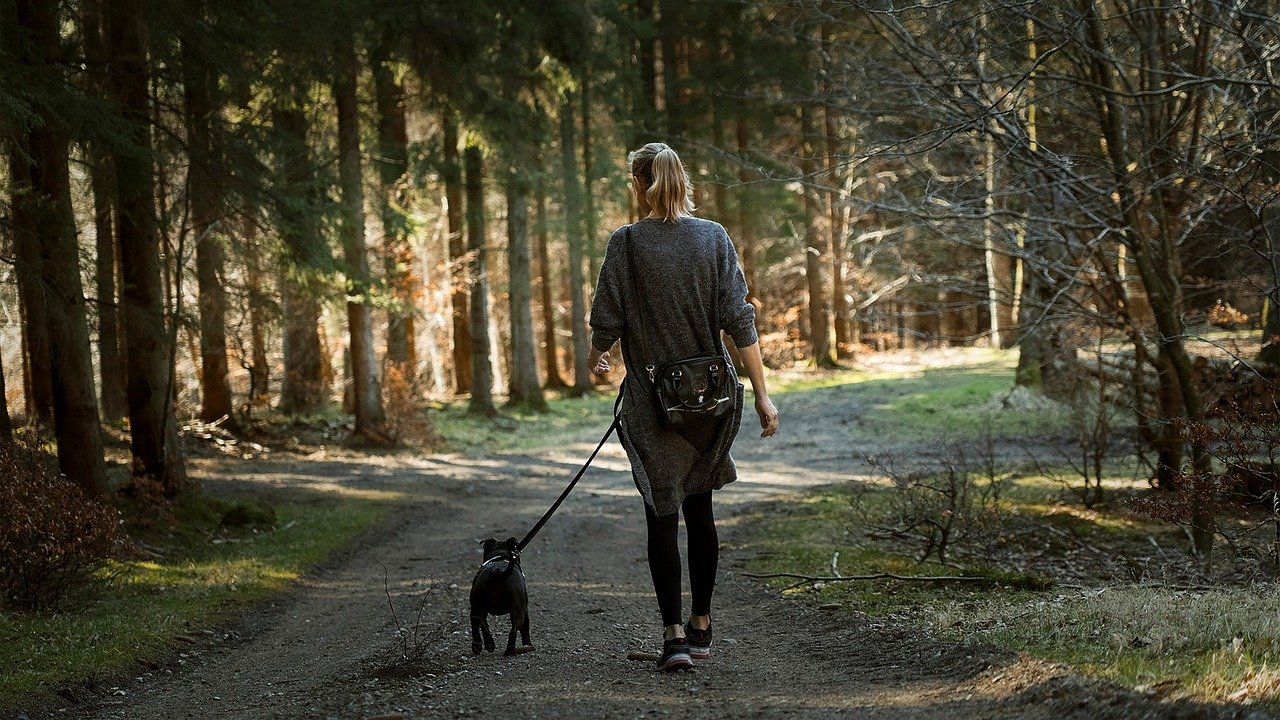
(Leash, Long Line, and Off-Leash Walking)
Dog walks are not just about exercise. They play a crucial role in a dog’s emotional balance, social skills, and overall behavior. A well-managed walk helps reduce stress, prevents behavioral issues, and strengthens the bond between dog and owner.
The True Goal of a Dog Walk
A good walk is a mix of movement, exploration, learning, and calm interaction. Dogs need freedom to sniff and observe their environment, but also clear boundaries to feel safe and guided. Walks should be enjoyable, structured, and adapted to the dog’s needs.
Leash Walking: Focus on Calm, Not Perfection
Leash walking does not require a perfect heel position. The priority is a relaxed, loose leash.
Best practices:
- Allow the dog to walk ahead as long as the leash stays loose
- Stop briefly when pulling increases
- Restart once the dog relaxes
- Change pace regularly to keep the dog attentive
These simple adjustments naturally teach the dog to adapt to the handler’s rhythm.
Increasing Attention During Walks
Dogs pull less when they are mentally engaged. Short moments of focus make a big difference.
Effective techniques:
- Pause during the walk to regain attention
- Change direction unexpectedly
- Use the dog’s name calmly
- Reward relaxed behavior
Over time, these habits create a more connected and responsive walking experience.
Using a Long Line the Right Way
A long line provides controlled freedom and is ideal for parks or open areas.
Key rules:
- Keep the line loose but manageable
- Step on it when needed for safety
- Shorten it near unknown dogs or people
- Treat it like a leash in uncertain situations
Long lines are excellent tools for recall training and confidence building.
Handling Dog Encounters Safely
Not all encounters should lead to interaction. Calm observation and communication are essential.
Before allowing contact:
- Watch both dogs’ body language
- Ask the other owner if interaction is welcome
- Keep your dog under control at first
- Allow contact only if both dogs are calm
If interaction is not possible, continue walking calmly without stopping.
Off-Leash Walking: Freedom With Responsibility
Off-leash walking should only happen when:
- The area is safe
- Recall is reliable
- The dog responds under distraction
- The handler feels confident
Off-leash does not mean unattended. Awareness and readiness to intervene are always required.
Play Comes Before Training
Play is vital for social development. Interrupting it too soon can create frustration.
A balanced approach:
- Let dogs play briefly
- Call your dog back afterward
- Reward the recall
- Resume the walk calmly
This strengthens recall while respecting the dog’s need for social interaction.
Mental Stimulation Is Essential
Mental effort tires dogs more than physical exercise alone.
Mental work during walks includes:
- Focus exercises
- Recall practice
- Controlled interactions
- Calm exposure to distractions
A mentally fulfilled dog is calmer, more balanced, and easier to manage.
Common Mistakes to Avoid
- Allowing dogs to rush toward others
- Stopping completely during overexcitement
- Using long verbal commands
- Ignoring signs of mental fatigue
Consistency and calm leadership are far more effective than force.
Frequently Asked Questions
1. How long should a daily walk last?
The ideal duration depends on the dog’s age, breed, and energy level. Quality matters more than length—mental stimulation is just as important as distance.
2. Is it bad if my dog walks in front of me?
No. Position is not an issue as long as the leash stays loose and the dog remains responsive.
3. Should I always stop when my dog pulls?
Brief stops combined with pace changes are effective. The goal is to teach awareness, not to create frustration.
4. Can I use treats during walks without creating dependency?
Yes. Gradually reduce treats over time and replace them with praise or play to maintain motivation.
5. What should I do if my dog gets overexcited near other dogs?
Keep moving, increase distance, shorten the leash or long line, and avoid standing still. Movement helps reduce excitement.
