
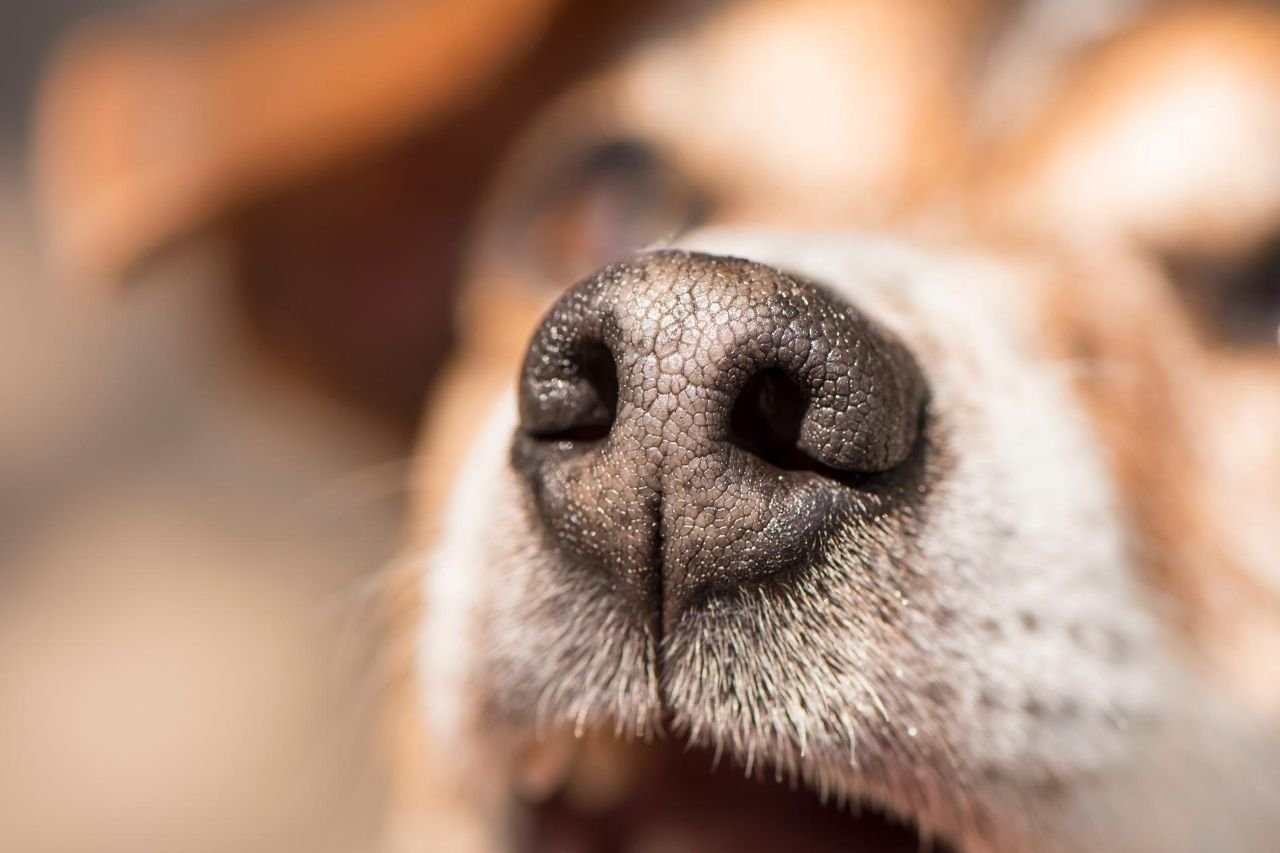
Epistaxis, or nosebleeds, are surprisingly common in dogs and rank among the top reasons for visiting the veterinarian. Unlike humans, where a nosebleed may just be a fleeting, harmless nuisance, in dogs it can signal a range of underlying medical issues, some mild, others potentially serious and needing immediate attention.
What Causes Nosebleeds in Dogs?
Nosebleeds in dogs don’t have a single cause. Rather, they can stem from a variety of triggers. The main causes include:
- Head trauma or a severe blow:
Getting hit on the snout can easily lead to bleeding. In such cases, trauma injuries damage the delicate nasal blood vessels, resulting in hemorrhaging that may be mild or severe, depending on the incident. With particularly forceful impacts, a fractured nose bone could be causing the bleeding.
The presence of a foreign object in the nose can also cause nosebleeds. Fins and awns—those stiff, spiky grass seeds—can easily become lodged in a dog’s nostrils, triggering irritation, repeated sneezing, and bleeding. Their pointed tips scratch and inflame the sensitive nasal mucosa, escalating the situation if left unchecked.
If you suspect a grass awn, plant fragment, or other debris is stuck inside your dog’s nose, don’t attempt to pull it out yourself. You could inadvertently worsen the injury. Schedule a vet visit instead.
Sometimes, a nosebleed might be linked to a viral, bacterial, or fungal rhinitis—a respiratory infection of the nasal passages. In such cases, bleeding is usually accompanied by other symptoms and typically resolves as the infection clears. If the nosebleed lingers even after recovery, make that vet appointment immediately as there might be a more serious underlying illness at play.
Snake bites or ingesting toxic products like rat poison are other potential triggers. Accidental consumption of medication—especially blood thinners or aspirin—can also lead to nosebleeds. In any of these scenarios, acting fast and heading to the vet is essential.
Other illnesses can also bring about nasal bleeding. Examples include tumors, leishmaniasis, hyperviscosity syndromes, or conditions that affect blood clotting ability.
Epistaxis in Dogs: What Actions Should You Take?
While you’re waiting for your vet appointment, here are a few immediate steps you can take to help your dog:
- Above all, comfort and calm your dog. Stress spikes blood pressure, which worsens the bleeding.
- Apply gentle pressure to the nostrils to stem the bleeding—avoid this if there’s been trauma or a suspected fracture.
- Keep your dog’s head leaning forward to aid clotting. This helps prevent blood from flowing into the windpipe.
- Apply a cold compress or ice pack wrapped in cloth to the nose.
Warning: Never reach inside your dog’s nose or insert cotton swabs, as this could make things worse.
When Should You See the Vet?
An occasional, brief nosebleed isn’t always cause for alarm, but you should call your vet in the following cases:
- If the bleeding lasts longer than a few minutes
- If nosebleeds become a frequent occurrence
- If your dog appears to be in pain
- If the bleeding happens alongside other symptoms
In these situations, your vet might recommend additional exams, such as blood work, X-rays, or a rhinoscopy. It’s crucial to rule out or pinpoint a more serious cause to determine the right treatment.
Since causes of nosebleeds can vary drastically, prevention isn’t always straightforward. Vigilance is your best ally: keep your home tidy, ensure your dog can’t get at toxic substances, and always watch for telltale symptoms. Your attention can mean the difference between a small issue and a major emergency.
Most importantly, if your dog’s nosebleed is heavy or simply won’t stop, don’t wait—get veterinary help immediately.
