
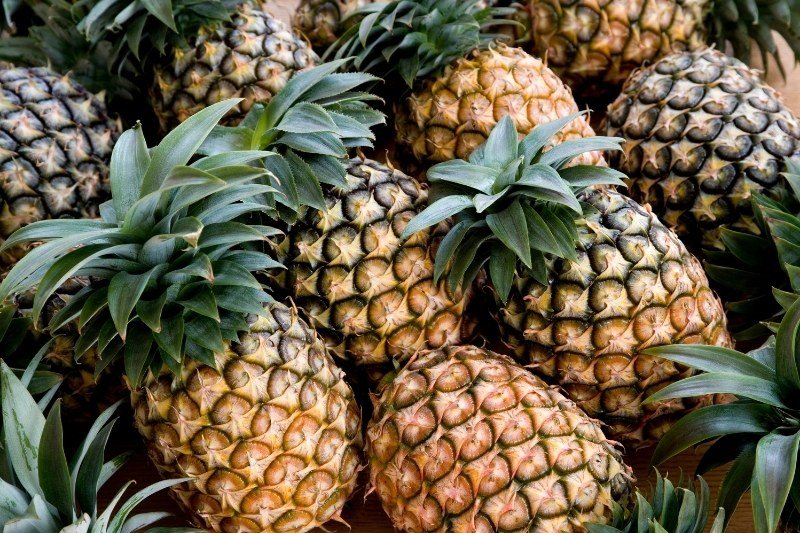
Can Dogs Eat Pineapple?
The answer is yes, but as with many things in life, moderation is key. Not every form or quantity is suitable for your pet, so it’s important to read on and make the best choice for your dog’s well-being.

✅ Get up to 100% reimbursement for vet fees in case of illness, accident, or surgery.
The Benefits of Pineapple for Dogs
Pineapple is packed with nutrients, water, enzymes, vitamins, and minerals, all bringing remarkable benefits to your canine companion.
- Vitamin C (Ascorbic Acid): Supports tissue repair, strengthens the immune system, and provides antioxidant effects.
- Vitamin B9 (Folic Acid): Boosts immune defenses, aids cell growth, and supports overall cellular health. For pregnant females, it also reduces the risk of birth defects in puppies.
- Hydration: With high water content, pineapple helps keep your dog hydrated.
- Bromelain: This enzyme breaks down proteins, easing digestion, improving circulation due to its anticoagulant properties, reducing cardiovascular risk, and enhancing antibiotic absorption—which can be especially useful if your dog is on medication. It also modulates immune response and exhibits anti-inflammatory and anti-tumor activity
How Much Pineapple Can My Dog Eat?
Pineapple should make up no more than 10% of your dog’s total diet. It isn’t meant to be a dietary staple. The best approach? Use pineapple as a tasty treat or occasional reward.
How Should I Give Pineapple to My Dog?
First: choose a ripe, fresh pineapple—avoid any that are too sour or underripe. Peel away the outer skin, remove the woody core, and cut the soft fruit into small pieces sized appropriately for your dog.
You can mix the pieces into your dog’s bowl, offer them as treats, hide them inside a Kong for enrichment, or freeze pieces in summer for a refreshing snack.
Are There Any Risks?
While dogs can enjoy pineapple, there are some key precautions to keep it a safe treat:
- If your dog shows symptoms like severe itching, hives, stomach pain, vomiting, or diarrhea after eating pineapple, they may be allergic. Omit pineapple from their diet in such cases.
- Avoid giving the spiky skin or fibrous core—they’re difficult to digest and can cause blockages.
- Pineapple’s natural sugar can contribute to obesity or diabetes, especially in breeds like Samoyeds and Miniature Schnauzers—so control portions.
- Its acidity can damage tooth enamel if eaten too often.
Can Dogs Eat Canned Pineapple?
No. Canned pineapple typically contains added sugar syrup, and the combined sugar content is far too high for dogs to handle safely. Avoid giving canned pineapple to your dog.
What About Dried Pineapple?
Dried pineapple is also higher in sugar compared to its fresh counterpart—the dehydration process concentrates its sugars and nutrients into every bite, making it easy to overfeed.
Fresh pineapple is always preferable as dried pineapple poses a risk of excessive sugar intake, and valuable water-soluble vitamins, like vitamin C, are lost in the drying process.
Can Dogs Drink Pineapple Juice?
Pineapple juice is not advisable for dogs for several reasons:
- Juicing removes fiber, which aids digestive health and blood sugar control. Without it, dogs are more prone to constipation, type 2 diabetes (due to sugar spikes), and obesity.
- Pineapple juice requires several fruit portions, exceeding the recommended amount for dogs.
- Commercial juice contains added sugars and preservatives—both unhealthy for pets.
Can Dogs Eat Pink Pineapple?
You read that right—pink pineapple exists! Genetically modified to contain more lycopene (a pigment found in tomatoes and watermelons), pink pineapple boasts extra antioxidants, anti-inflammatory, and chemoprotective properties.
Its nutritional value matches traditional pineapple but benefits further from lycopene, making pink pineapple safe—and even beneficial—for dogs.
Alternatives to Pineapple
Pineapple makes a delightful snack for your dog, but variety is the spice of life. Rotate it with other dog-safe fruits and vegetables to deliver a range of nutrients and flavors.
Can Pineapple Stop My Dog from Eating Feces?
Coprophagia, or the purposeful eating of feces, can be triggered by stress, dietary deficiencies, a lack of digestive enzymes—or sometimes, just boredom or habit. There’s no scientific evidence confirming that pineapple prevents this, but many believe its enzymes and strong taste render feces less appealing and improve digestion of proteins.
In fact, some anti-coprophagia products include pineapple extracts, lending support to this theory, even if the effect is only anecdotal.
Conclusion
Pineapple is both delicious and nutritious for dogs—when fed raw, peeled, and in small pieces as an occasional treat. Its vitamins, minerals, and unique enzymes make it a far better choice than processed fruits, but it shouldn’t replace a balanced, meat-based diet.
Let your pup enjoy the healthful perks of this tropical fruit! Have you shared pineapple with your dog before? Tell us about your experiences in the comments below!
