
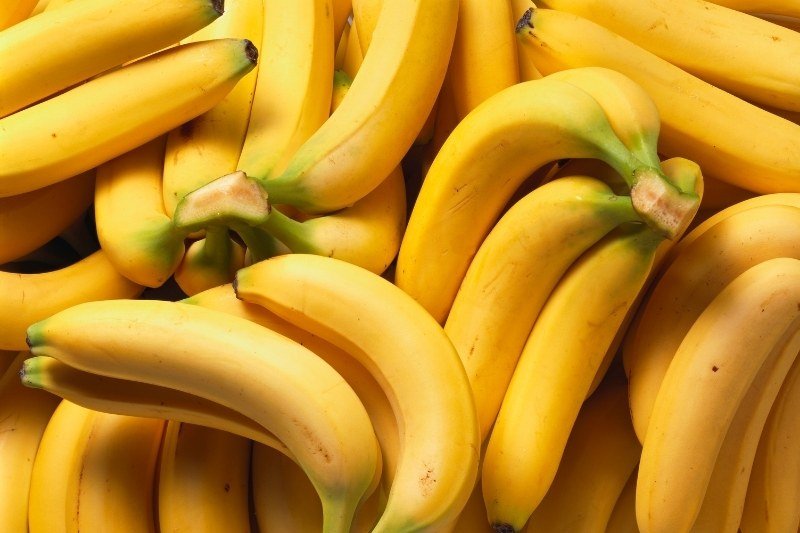
Can Dogs Safely Eat Bananas?
In short: yes! Bananas are a sweet, flavorful fruit beloved by most of our canine friends. The best part is, they’re also packed with health-boosting nutrients for dogs, making them a wholesome alternative to many commercial dog treats.
However, there are a few important things to consider before treating your pup to this sugary, soft fruit. Is it possible to give a dog too much banana? Can bananas really soothe an upset stomach? Are banana peels safe for pets? Let’s unravel all these questions and more.

⚠️ Don’t wait for a health scare—protect your dog today with pet insurance!
✅ Recover up to 100% of your veterinary costs for illness, accident, or surgical procedures.
Health Benefits of Bananas for Dogs
Unlike many store-bought dog treats, bananas are a natural snack, low in fat and salt, but loaded with nutritional goodness. Here’s a quick look at how banana nutrients support your dog’s health:
- Dietary Fiber: Helps maintain a healthy digestive system, regulates the speed food moves along the gut, and can ease certain digestive upsets.
- Potassium: An important mineral that helps regulate fluid balance and supports proper heart, nerve, and muscle function.
- Vitamin B6: Essential for red blood cell production, glucose generation, hormone balance, and a properly functioning immune and nervous system.
- Vitamin C: An antioxidant that boosts immunity, reduces inflammation, slows aging, and aids tissue healing.
- Magnesium: Supports healthy bone growth, turns food into energy, and helps the body absorb other essential nutrients.
- Biotin: Aids in maintaining healthy connective tissue, skin, and coat, and is crucial for growth, digestion, and muscle development.
How Much Banana Can I Give My Dog Safely?
The right amount of banana depends on your dog’s age, breed, size, activity level, and overall health. Before adding bananas to your pet’s diet, check with your vet—they can recommend the ideal portion size for your dog.
Bananas make a great reward during training sessions or mentally stimulating games, and are usually a healthier choice than most commercial treats. But moderation is crucial: too much banana can upset your dog’s stomach, causing constipation, diarrhea, gas, or bloating.
The sweet flavor of ripe bananas reveals just how much sugar they contain. And, as in humans, excess sugar can lead to indigestion, weight gain, gastrointestinal problems, and even serious health concerns like diabetes.
Every dog deserves a diet tailored to its unique needs. Specially formulated food is important to meet their nutritional requirements. Treats, even healthy ones, should complement—not replace—their regular diet.
So, although bananas offer plenty of vitamins and minerals, only a small amount is needed to add variety to your dog’s nutrition.
As a general rule, 90% of your dog’s daily intake should come from their main food, while treats—including bananas—should make up only 10% of their diet.

When Are Bananas Bad for Dogs? Which Dogs Should Avoid Them?
Bananas’ high sugar content means they’re not ideal for overweight dogs. Use caution when offering bananas to small breeds or to pets prone to gobbling food, as there’s a risk of choking or intestinal blockage.
Puppies have unique nutritional needs, and giving them bananas could throw off that natural balance. Always consult your vet before introducing bananas to a puppy’s diet.
Some dogs are prone to digestive troubles—even a small piece of banana can trigger tummy upsets. If your dog is sensitive or has a delicate stomach, it’s safest to skip bananas and other human snacks.
Food allergies can also strike. Symptoms like excessive drooling, swelling, hives, vomiting, or breathing difficulties may crop up soon after eating an allergen. If you suspect your dog is allergic to bananas (or anything else!), contact your vet right away. Immediate care might be needed.
Can Bananas Cause Diarrhea in Dogs?
Most of the time, bananas do not cause diarrhea—they may actually help settle some digestive problems, thanks to their fiber content. However, large amounts can cause constipation, and for some dogs, bananas aren’t helpful for diarrhea at all.
If your dog’s diarrhea lasts more than 24 hours, or if you notice vomiting, loss of appetite, or any other worrying symptoms, chat with your vet.
Can Dogs Eat Banana Peels?
While banana peels aren’t toxic, they aren’t appetizing and are hard for dogs to digest. Eating banana peels can cause gastrointestinal upsets, like stomach aches or even blockages. Blockages can be painfully serious, sometimes requiring surgery.
Think your dog’s eaten a banana peel? Call your vet right away. Watch for vomiting, diarrhea, low appetite, or signs of abdominal pain—these could signal trouble.
To sum up: it’s best to stick with the soft, tasty flesh of the banana and skip the peel altogether!
How Can I Serve Bananas to My Dog?
There are multiple fun ways to offer bananas to your pup. Simply peel and slice the fruit into bite-sized pieces suited to your dog’s size, or mash some into their regular meal for an instant “dessert.” For dogs who dislike the taste or texture, try freezing the banana before chopping it into cool, crunchy treats!
Feeling culinary? Combine banana with xylitol-free peanut butter for a dog-safe snack, or bake homemade banana chips—both are safe treats for your pet! For a refreshing treat on hot days, stuff a Kong toy with mashed banana and freeze it.
Conclusion
Bananas are a healthy, delicious treat for dogs. They’re tasty, packed with goodies, and often a better balanced option than most pet store treats.
While these nutrient-rich fruits can offer real benefits, always serve them in moderation and check with your vet first. Too much banana can lead to digestive upset, weight gain, and even diabetes.
No matter how you prepare a banana for your pup, never offer the peel!
