
Introduction
The Basenji is a distinctive dog breed known for its ancient origins, athletic build, and independent temperament. Often described as a primitive breed, it stands out for its unique vocalizations, clean habits, and alert demeanor. This article provides a clear, structured overview of the Basenji’s background, behavior, physical traits, care needs, and suitability for different lifestyles.
Origin and History of the Basenji
The Basenji originates from Central Africa, where it was traditionally used for hunting. It is considered one of the oldest domesticated dog breeds, with depictions resembling the modern Basenji found in ancient artifacts. Bred for endurance, agility, and alertness, the breed developed alongside humans while retaining many natural, primitive traits.
Physical Characteristics
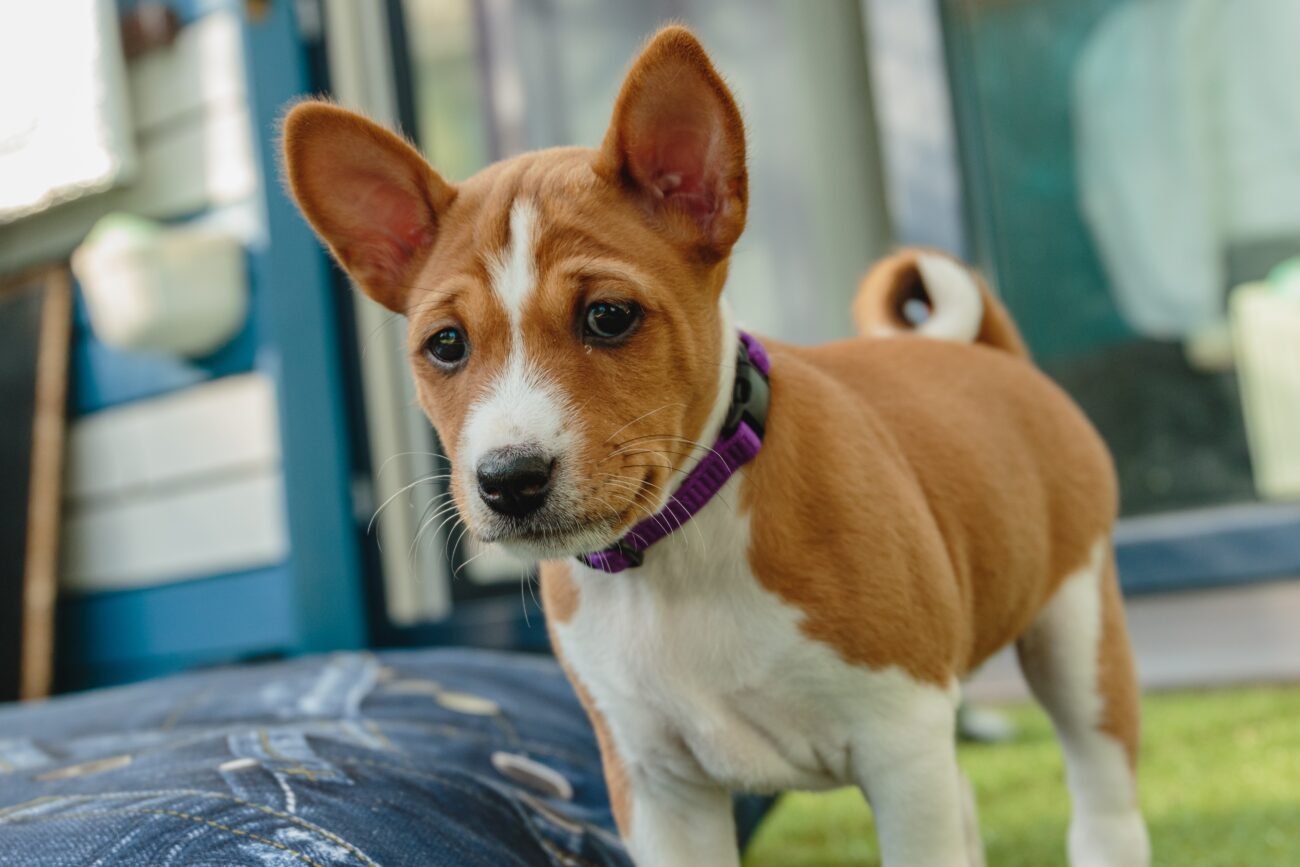
The Basenji is a small to medium-sized dog with a lean and athletic physique. Key features include:
- Compact, well-balanced body
- Short, smooth, and glossy coat
- Tightly curled tail carried over the back
- Wrinkled forehead, especially when alert
- Upright ears and expressive eyes
Common coat colors include red and white, black and white, brindle, and tricolor. The breed’s build reflects speed, agility, and stamina.
Temperament and Personality
Basenjis are intelligent, curious, and highly independent. They tend to form strong bonds with their owners but may appear reserved with strangers. Unlike most dogs, Basenjis do not bark in the traditional sense; instead, they produce a variety of unique sounds.
Behavioral Traits
- Independent and strong-willed
- Energetic and playful
- Alert but not typically protective
- Clean and self-grooming by nature
- Sensitive to harsh training methods
Their independence makes them engaging companions but also requires patient and consistent handling.
Exercise and Mental Stimulation
Basenjis have high energy levels and require daily physical activity. Regular exercise helps prevent boredom and unwanted behaviors. Suitable activities include:
- Long daily walks
- Running in secure areas
- Interactive play
- Scent-based games and mental challenges
Because of their strong prey drive, off-leash exercise should only occur in safely enclosed spaces.
Training and Socialization
Training a Basenji requires consistency and positive reinforcement. While intelligent, they may be selective about obedience. Early socialization is essential to help them adapt to various environments, people, and other animals. Training sessions should remain engaging and varied to maintain interest.
Health and Lifespan
Basenjis are generally healthy dogs with an average lifespan of 12 to 16 years. However, certain hereditary conditions should be monitored:
- Kidney-related disorders such as Fanconi syndrome
- Eye conditions requiring regular screening
Responsible breeding and routine veterinary care help reduce health risks and support longevity.
Nutrition and Feeding
A balanced diet tailored to an active, small to medium-sized dog is essential. Portion control helps maintain a healthy weight, as Basenjis can gain weight if overfed. Scheduled meals rather than free feeding support digestive health and routine.
Grooming and Maintenance
Basenjis are low-maintenance in terms of grooming. Their short coat sheds minimally and has little odor. Routine care includes:
- Weekly brushing
- Nail trimming as needed
- Ear and dental checks
Their natural cleanliness makes them relatively easy to maintain compared to many other breeds.
Living Environment and Suitability
Basenjis adapt well to apartment living provided their exercise needs are met. They are best suited to owners with experience who understand independent dog behavior. Secure fencing is important, as Basenjis are skilled climbers and escape artists.
Conclusion
The Basenji is an intelligent, athletic, and independent breed with a long history and unique characteristics. Its clean habits, expressive behavior, and high energy make it a rewarding companion for dedicated owners. With appropriate exercise, structured training, and attentive care, the Basenji can thrive in a variety of living environments.
FAQ
1. Why is the Basenji considered a unique dog breed?
Because it does not bark traditionally and retains many primitive behavioral traits.
2. How much exercise does a Basenji need daily?
At least one hour of physical and mental activity is recommended.
3. Is the Basenji suitable for first-time dog owners?
It is better suited to experienced owners due to its independence.
4. Does the Basenji shed a lot?
No, it has a short coat with minimal shedding.
5. What health issues should Basenji owners monitor?
Kidney-related conditions and eye health should be regularly checked.

업무하고 싶을때를 스스로 결정하고, 일하는 장소 또한,
본인이 원하는대로 선별할 수 있기 때문입니다.