
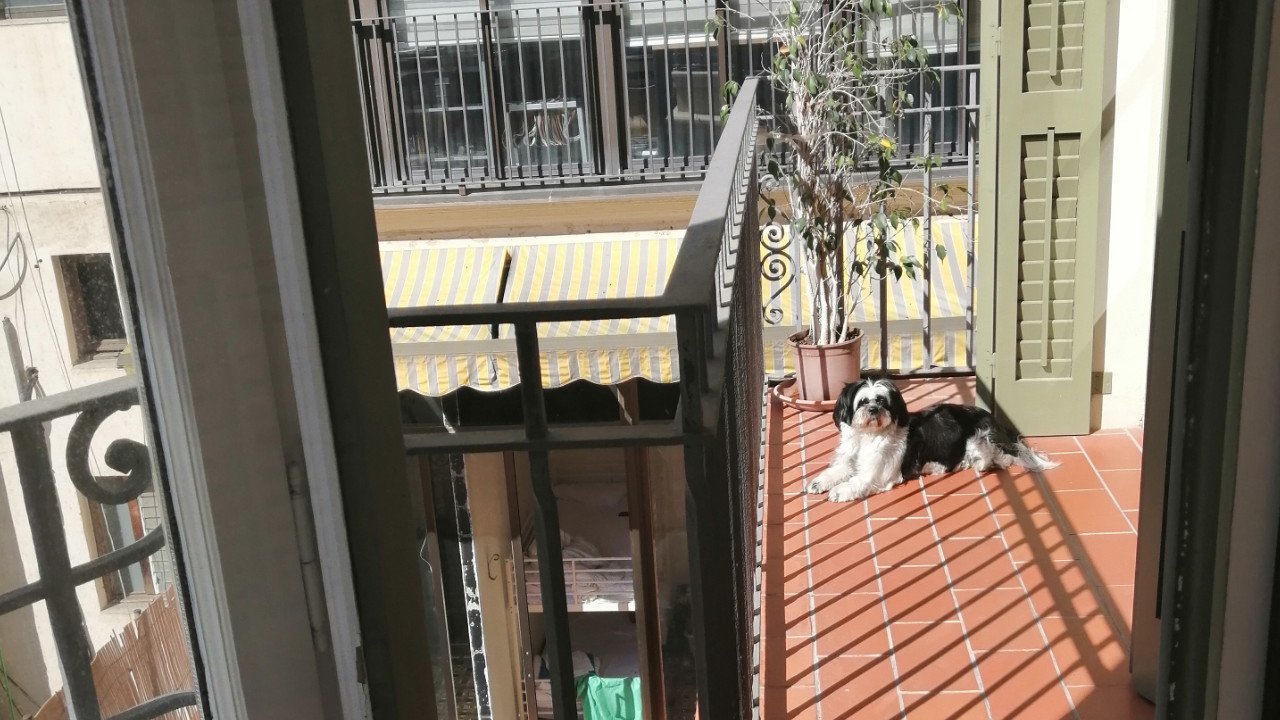
Choosing the right dog isn’t always straightforward, especially when space is limited. If only it were possible to try a few breeds before making a decision—unfortunately, that’s not the case. That’s why it’s crucial to identify the key factors that truly matter when selecting your future canine companion.
Dog Size and Weight
When it comes to apartment living, most people naturally lean toward smaller breeds. Limited space and often a lack of outdoor access make petite pups the top choice for many residents.
Some athletic owners may successfully share their apartment with a much larger dog, but, by and large, small dogs win out in these settings.
Size and weight? These two characteristics are usually the first things considered by apartment dwellers searching for a new four-legged friend.
The Ideal Temperament for an Apartment Dog
Temperament matters—but the “ideal” character varies. For small dogs, whether they’re bouncy balls of energy or laid-back loungers, it rarely makes much of a difference: they simply fit in.
However, if you’re thinking about a larger breed, it’s generally wisest to seek out a dog with a calm, steady nature. Large, excitable dogs in small apartments rarely make for a peaceful home.
A dog that’s easy to train is almost always recommended for apartment living.
The Dog’s Relationship With People
Apartment life means frequent interaction with neighbors—sometimes daily. Prioritizing a dog that’s happy to socialize and behaves well with strangers can help stave off disputes and maintain a neighborly atmosphere.
How Your Dog Gets Along With Other Dogs and Animals
Sharing walls with other pet owners? Your dog’s social behavior with other dogs (or even cats!) is hugely important, especially in buildings with multiple apartments stacked close together.
Active or Laid Back?
It’s vital that your apartment dog matches your activity level. Whether your workouts are marathons or leisurely strolls, make sure your companion’s stamina and size are suited for your adventures together.
Guard Dog or Not?
Big or small, dogs can make excellent watchdogs. It’s easy to categorize apartment dogs:
- A simple companion—no guarding instincts
- Barks to alert you of unusual visitors
- Protective, fearless, and even willing to bite if required
Creating Space for Your Dog
Every dog deserves a cozy corner of their own. Even in the smallest apartment, you’ll need to dedicate a spot for them to rest and retreat—a tiny sanctuary matched to their size and needs.
Will Your Dog Be Left Alone Often?
In apartments, the amount of time you can dedicate to your dog becomes a crucial consideration. If your dog is left alone for long stretches, choose a breed that doesn’t struggle with separation anxiety, which can manifest as excessive barking or destructive howling.
Top Dog Breeds for Apartment Living
Some small breeds are clear favorites among apartment residents. Their adaptability, tiny size, and light weight make them much more compatible with confined living spaces, whether you’re alone, in a couple, or raising a family.
These breeds are the top choices for apartment life. They’re perfect for maneuvering around tight corners and fit nicely into the daily rhythms of apartment dwellers—solo, in pairs, or in families.
While any breed can adjust to apartment life, small and miniature breeds are often preferred and frequently chosen for their flexibility and ease of integration.
Conclusion
By choosing a dog that fits both the owner and the available living space—taking into account the apartment building’s requirements and the amount of outdoor access—cohabiting can be surprisingly simple and harmonious.
Living in an apartment is no harder for a dog than living in a sprawling house.
Dogs are remarkably adaptable, and your furry friend can thrive in an apartment as long as their needs and yours align.
In the end, with the right dog, the right owner, and the right living environment, harmonious cohabitation happens almost effortlessly.
