
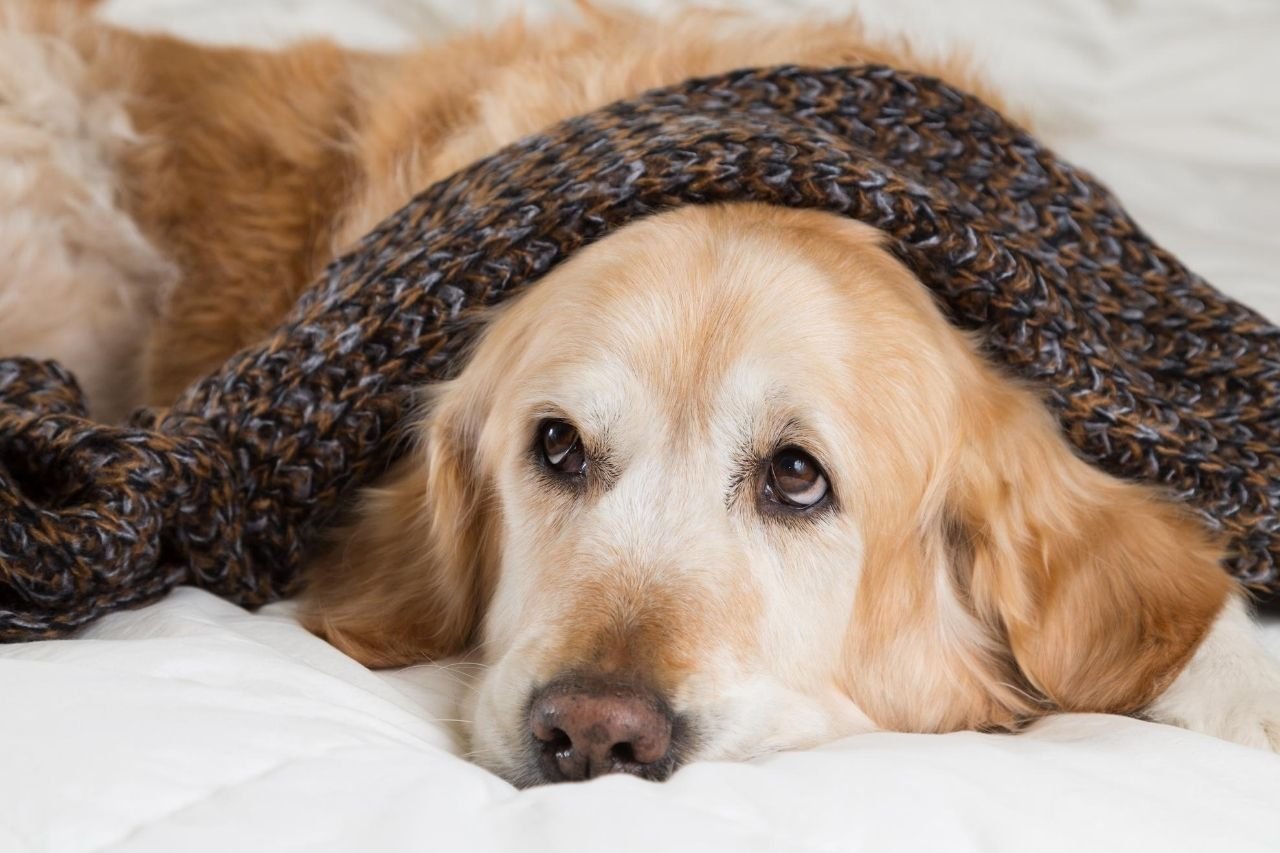
What are the clinical signs of a cold? What kind of treatment and prevention strategies actually work? Let’s get into the details.
Understanding Colds in Dogs
First, what exactly is a cold for a dog? A dog’s nose is its number one tool for exploring the world, so it’s no surprise that they’re more exposed to bacteria and viruses lurking in the environment. A cold, in essence, is a mild infection of the upper respiratory tract, most often brought on by viruses.
How can a dog catch a cold?
- Cold Weather: Sudden changes in temperature between indoors and outdoors can easily give dogs—especially puppies, older dogs, or those who are already frail—a chill.
- Wind: A brisk, biting wind often brings on a cold.
- Humidity: During walks, getting wet in damp grass or taking a dip and not drying off quickly can leave your pooch susceptible to a cold.
With this in mind, limiting outings during deep freezes and drying off your pet if they get soaked is crucial. Puppies, senior dogs, and those with weakened immune systems are naturally the most at risk.
It’s worth noting: a dog’s cold can’t be passed to humans.
Symptoms of a Cold in Dogs

Generally, a canine cold isn’t something to panic about; most dogs fully recover within a few days. The tell-tale sign? A runny nose. If your pup is sneezing with a drip, chances are they’ve caught a bug. Typical symptoms that tag along include:
- Low energy or general fatigue
- Lack of appetite (sometimes your dog may refuse food entirely)
- Persistent sneezing
- Possible hacking cough
- Fever in some cases
- Reddened gums and mucous membranes
How to Care for a Dog With a Cold
Much like human colds, there’s no magical cure for a dog’s cold. The absolute best medicine is rest. Never give human cold medicine such as acetaminophen or aspirin—it can be dangerous for dogs!
If your dog’s condition worsens, schedule a vet visit. Only a professional can diagnose complications and provide adequate treatment. In the meantime, you can soothe your furry companion’s symptoms by taking a few simple steps:
- Skip vigorous exercise while they recover
- Keep them warm and cozy
- Keep fresh water handy to stay hydrated
- Check for fever occasionally: normal temperature for a dog is between 38°C and 39°C (100–102°F)
- Keep your ill dog separated from healthy pets to prevent spreading the virus
Immediate consultation with a vet is especially important for puppies or elderly dogs as their immune defenses are lower and complications can arise quickly.

Frequently Asked Questions
To ease your dog’s breathing, consider humidifying the room—placing a bowl of hot water in the space or even adding a few drops of eucalyptus essential oil (but never allow direct contact with your pet). A steam bath can do wonders: take your dog into the bathroom, run hot water, and let the steam clear up the airways.
Steam remains the top method: even if your dog isn’t wild about it, the steam opens nasal passages for easier breathing. You can also gently clean the nostrils with a cotton swab—sometimes it’s just mucous buildup causing the blockage. If these don’t work, consult your vet—he or she may recommend a specialized dog nasal spray.
Dogs cannot transmit their colds to people—these viruses are species-specific. However, sick dogs can easily pass the virus to other dogs, especially if they share water bowls, toys, or bedding. It’s a good idea to keep a sick pup isolated until they recover fully.
