
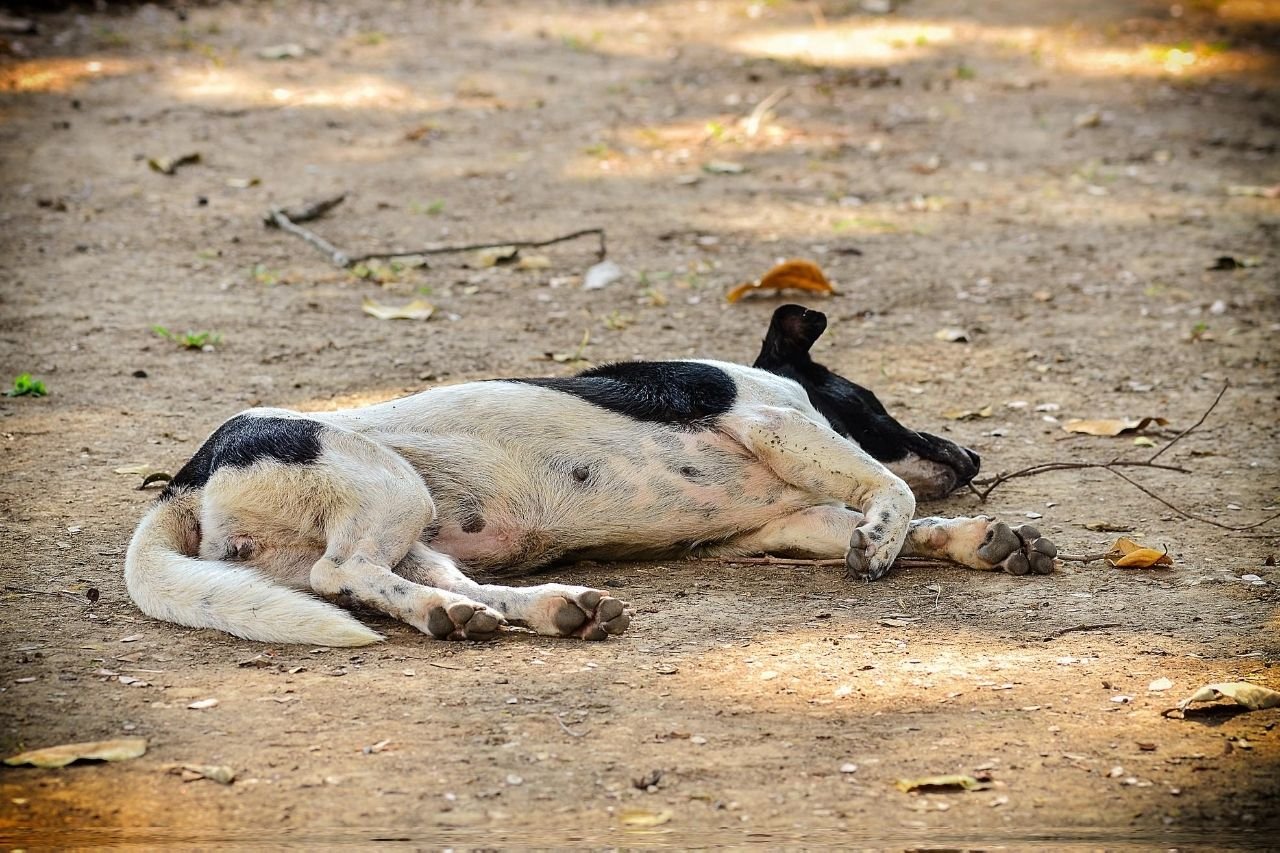
Has your dog suddenly lost consciousness and collapsed? Watching your pet faint can be a shocking and distressing experience, raising immediate concerns about their health and safety. The causes behind these sudden episodes can be varied and often require prompt attention.
What Is Syncope in Dogs?
Syncope is characterized by a transient loss of consciousness in dogs. It’s abrupt and often accompanied by a sudden collapse. The hallmark sign is an unexpected fainting episode. In some instances, a dog may involuntarily urinate, defecate, or even vomit during these events.
This blackout generally results from a temporary reduction in oxygen and glucose supply to the brain, most often caused by decreased blood flow.
What Causes Syncope in Dogs?
There are several conditions and diseases that can trigger syncope in dogs. The main causes include:
Cardiac Issues
Any disorder that decreases blood flow to the brain can result in a lack of oxygen. Here are the primary cardiac causes:
- Heart rhythm disorders
- Pulmonary stenosis
- Cardiomyopathy
- Cardiac tumors
Respiratory Problems
Some respiratory conditions hinder the brain’s oxygenation due to inadequate blood oxygen levels. Common culprits include:
- Pulmonary hypertension
- Pulmonary parenchyma injuries
- Airway obstructions, such as narrowed nostrils
Hypotension
Low blood pressure leads to decreased blood volume (hypovolemia), which means there isn’t enough blood reaching the brain. This form of fainting is sometimes referred to as a vasovagal syncope. Causes include:
- Severe hemorrhage or dehydration
- Ingestion of vasodilator medications
- Intense bouts of coughing (especially in brachycephalic breeds like Pugs or Boxers)
- Situations of high excitement or strenuous exercise
Anemia
Anemia is a drop in red blood cells and hemoglobin. Since hemoglobin carries oxygen throughout the body, a decrease can mean less oxygen reaches the brain, leading to potential fainting episodes.
Hypoglycemia
A drop in glucose supplied to the brain can also precipitate syncope. Causes of hypoglycemia include:
- Metabolic diseases: such as hypocorticism or cirrhosis
- Fasting, especially in small breeds like Poodles
- Intense exercise while fasting
- Heatstroke
Genetic Predispositions
Some brachycephalic breeds, including English Bulldogs, Pekingese, and Pugs, are more likely to have respiratory issues due to their unique head shapes, making syncope more frequent in these dogs.
Additionally, miniature or small breeds, such as Yorkshires, Toy Poodles, or Pomeranians, can be genetically predisposed to tracheal collapse—a condition where the airway collapses, making it hard to breathe. Fainting episodes are not uncommon among these breeds.
Symptoms of Syncope in Dogs
Occasionally, subtle warning signs like dizziness or unsteady movement appear before a syncope, though such symptoms are rare and often go unnoticed.
Main clinical signs of syncope include:
- Sudden, temporary loss of consciousness
- Dog remains on its side for several seconds
If the episode is prolonged, owners might observe:
- Seizures
- Leg stiffness
- Uncontrolled urination or defecation
- Vomiting
Typically, a syncope lasts less than a minute. Most dogs regain their senses quickly and are back on their feet in no time.
Nevertheless, if your dog has fainted, seek immediate veterinary attention—even if your canine companion seems to have fully recovered.
What to Do If Your Dog Experiences Syncope
If your dog collapses, leave them where they are—provided the location is safe. Then, place them in the recovery position (on their side) to help ease their breathing. For brachycephalic breeds, the recommended recovery position is sternal: lay the dog on its belly, with hind legs tucked and forelegs stretched forward.
Do not delay in contacting a veterinarian. Since the root cause of syncope can vary widely, only a professional can properly diagnose and treat the underlying issue.
Diagnosing and Treating Syncope in Dogs
When your dog faints, only a veterinarian can identify the exact cause. Diagnosis may require several tests such as complete blood work, radiographs, electrocardiograms, blood pressure measurement, and ultrasound exams.
There isn’t a one-size-fits-all treatment for syncope; management depends on addressing the underlying cause specific to your dog’s health issue.
