
Broken or Torn Dog Nail: What Does It Mean?
Known as traumatic onyxis, a fractured nail in dogs is a fairly frequent accident. It often occurs when a dog’s nails grow a bit too long, whether due to rapid growth or slow natural wear. During a walk, run, or a spontaneous burst of energy, a nail can easily snap or break.
The dewclaw—equivalent to our thumb—is the most commonly affected. This nail sits higher on the leg, doesn’t touch the ground, and therefore doesn’t naturally wear down. Left untrimmed, it becomes prone to splitting, snagging, and eventually tearing off. Regular clipping of the dewclaw is essential to prevent these injuries.
Sometimes, a broken nail warns of an underlying illness. For instance, leishmaniasis in dogs frequently causes nails to grow abnormally long and misshapen—they snap or fracture with the slightest provocation.
Can You Treat a Broken Dog Nail at Home?

In some cases, you can treat a minor broken nail at home. If the break is clean and near the tip, simply apply an antiseptic (such as diluted betadine), taking care to prevent your dog from licking the wound—using a cone collar can help. Protect the paw for several days.
A broken nail often bleeds considerably and can cause notable pain. Approach with care; an injured dog may react unpredictably. The wound needs to be cleaned twice daily for three days to minimize infection and speed up healing.
Keep a close eye on the injury’s progress. If you are at all concerned, do not hesitate to call your veterinarian.
When Does a Dog with a Broken Nail Need a Vet?
Because of the pain, your dog may resist your attempts to help. If you cannot treat the injury safely or if the nail is ripped out completely or broken at the base, veterinary care is essential. In these cases, the only solution is to remove the remaining piece under sedation—a procedure called nail excision. This intervention supports healthy regrowth and greatly reduces the risk of infection.
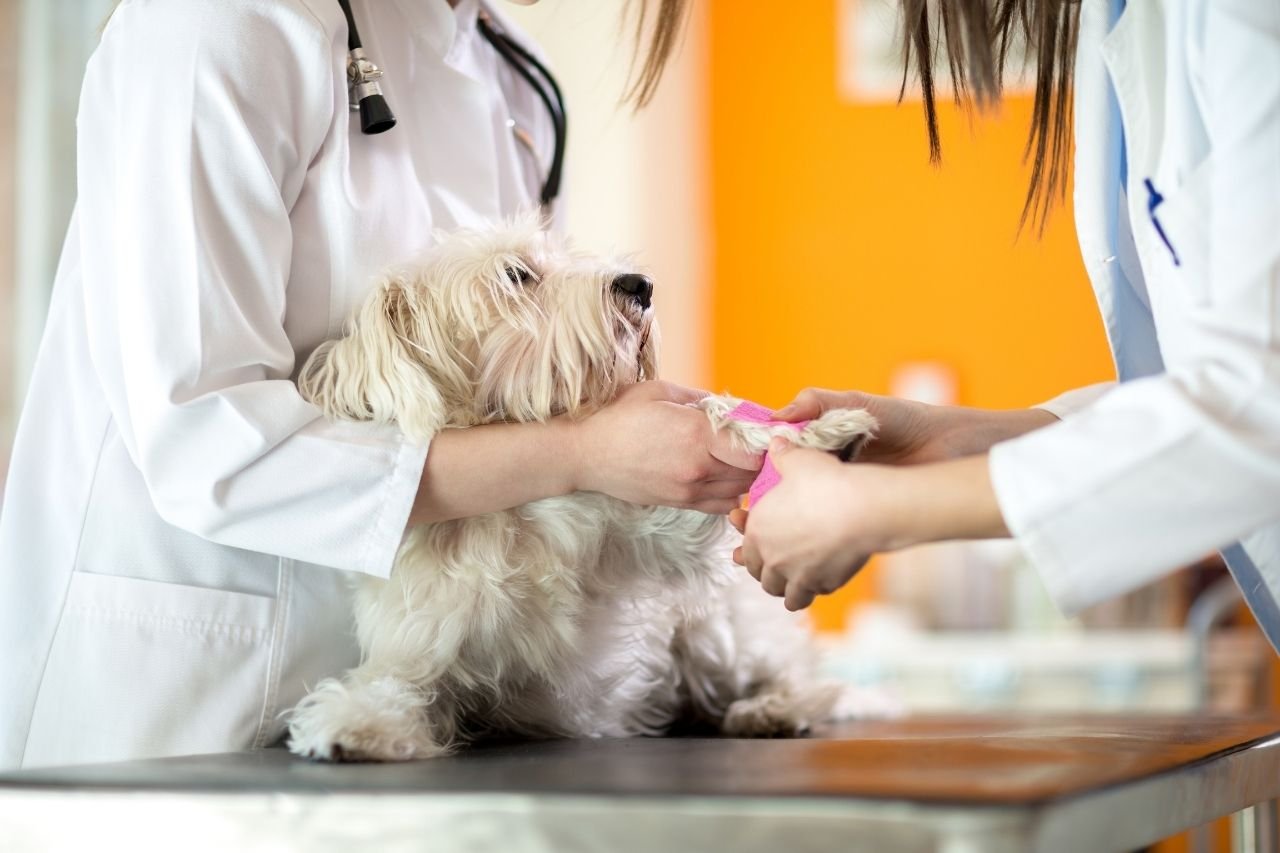
The procedure takes just a few minutes, after which your dog will return home with a bandaged paw. In severe cases, pain relief, anti-inflammatories, or antibiotics may be prescribed. If the wound looks infected, prompt veterinary attention is vital.
Bring your dog to the vet if:
- There is significant bleeding and the nail is painful;
- Your dog refuses to let you touch the paw;
- The nail shows clear signs of infection.
How Can You Prevent Broken Dog Nails?
Prevention is straightforward: regularly check and trim your dog’s nails, especially the dewclaws. Since the dewclaw doesn’t touch the ground, it rarely wears down naturally. Left unchecked, it grows long and easily splinters or tears.
In addition, daily activity and frequent walks allow your dog to naturally wear down their nails while staying active. Exercise not only keeps nails in check, but also improves overall health—and a healthy, happy dog is always less prone to injury.