
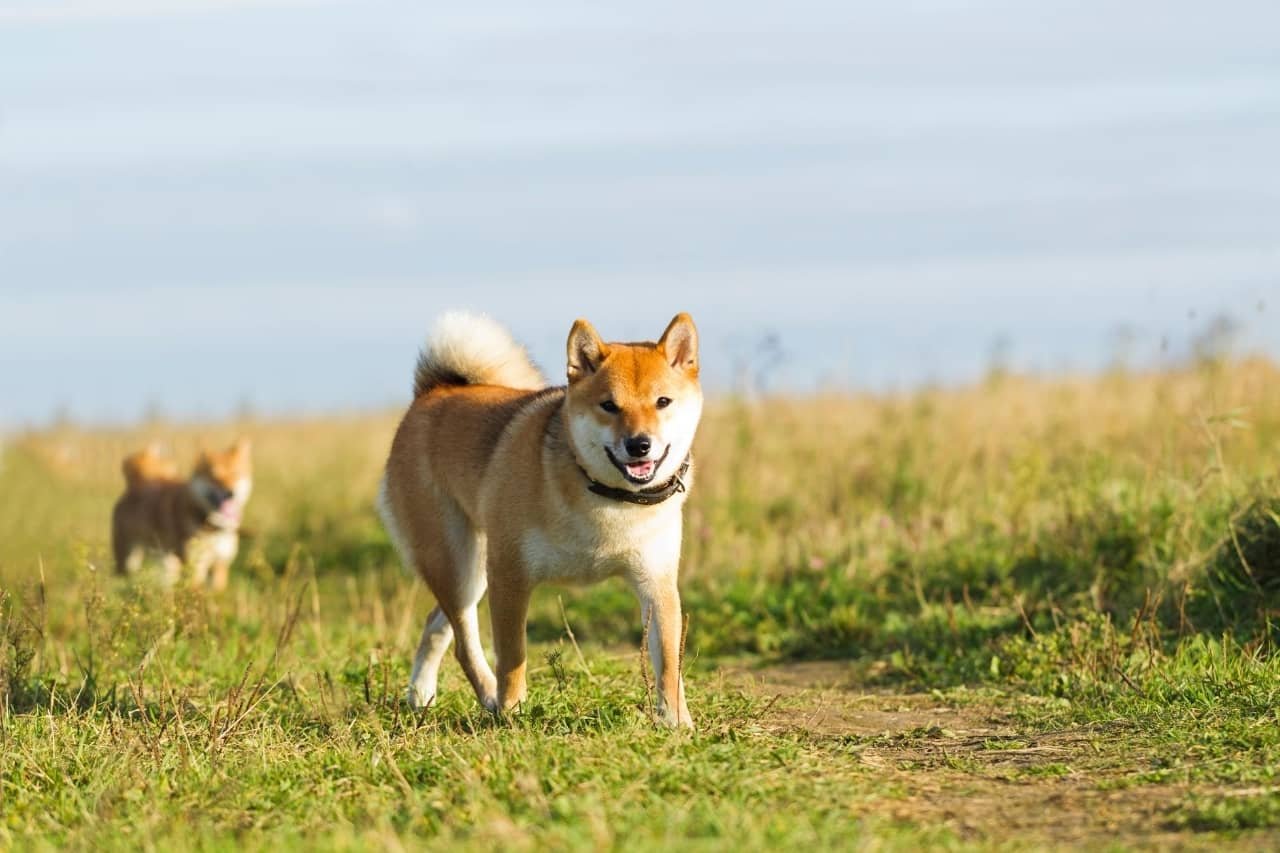
Dating back to ancient times, Japan has been home to its own unique dog breeds. Throughout history, these dogs have been tasked with a remarkable range of roles—from expert hunters roaming the wilds, to loyal companions gracing the laps of Japanese nobility, proudly paraded as status symbols and beloved family members.
In this article, you’ll uncover the most iconic Japanese dog breeds, along with their distinct characteristics and fascinating heritage. These canines continue to be cherished today, not just in Japan but all around the globe.
Shiba Inu
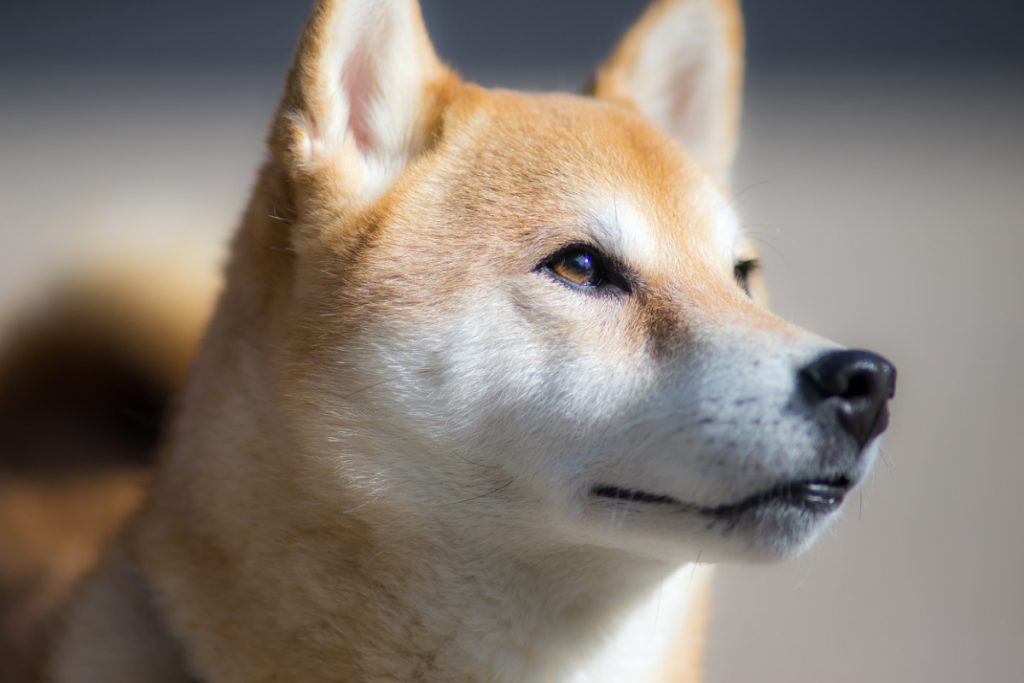
In Japanese, Shiba Inu translates to “brushwood dog.” This ancient breed, whose lineage stretches back over 3,000 years, was originally bred for hunting birds and small game. Occasionally, Shiba Inus even assisted their owners in hunting larger prey such as deer, boar, and even bear.
The Shiba Inu is a small and well-proportioned dog. Males typically stand 35–43 cm tall, while females range from 33–41 cm. Weight falls between 8–12 kg.
What sets this breed apart is its bold personality and confident character. Fiercely independent yet deeply loyal, the Shiba Inu forms a powerful bond with its owner and will defend its loved ones under any circumstances. However, due to its headstrong nature, training a Shiba can be quite a challenge—obedience isn’t its strong suit, and when they do oblige, it’s almost always out of affection rather than duty.
This small Japanese dog also expresses itself through a distinctive bark, famously called the “Shiba scream,” an excited noise unique to the breed. Low-maintenance and healthy overall, Shiba Inus don’t require endless hours of grooming or care.

Akita Inu

The Akita Inu may be the most famous Japanese dog breed internationally. Who can forget the moving tale of Hachiko, the loyal Akita who waited for his owner’s return for years after his passing? That true story, along with its celebrated film adaptation, has forever etched the Akita’s reputation in hearts worldwide.
The Akita has a handsome, long coat, ranging from black with tan spots to red, often featuring creamy or white markings on the belly. A distinguishing creamy or grey undercoat adds to its allure.
Renowned for being brave, loving, and loyal, Akitas are exceptionally popular pets in both Japan and abroad. They’re large and powerful, weighing up to 50 kg, and require diligent grooming due to their double-layered coats.
After World War II, Akitas were secretly flown into the United States. While calm and independent, they tend to be wary of strangers, but with their families, they reveal a gentle, playful side.
Japanese Chin

While often celebrated as distinctly Japanese dogs, the Japanese Chin is believed by some experts to have originated from Korea or China. However, it was the Japanese aristocracy who truly elevated this breed, treasuring it as a mark of status—almost reverently so—within elite circles.
The Japanese Chin is a petite dog, rarely weighing more than 5–6 kg. In previous eras, these delightful companions were offered as gifts to foreign diplomats and distinguished guests, a token of gratitude for their connection to Japan.
Designed for life indoors, this adorable companion with an unmistakably oriental appearance is beloved in Japan and the West alike. Its broad head and short muzzle crowned with a lavish mane, along with a feather-duster tail that arches gracefully, make it irresistibly charming.
Shikoku

The Shikoku—also known as Shikoku Inu or Kochi-Ken—is one of Japan’s most skilled hunting breeds. Historically, hunters relied on Shikoku dogs for their tenacity in pursuing wild boar and other game in rugged regions.
Bearing a smart, resilient, and alert disposition, the Shikoku is also notably docile and obedient with its owner. Weighing between 18 and 30 kg, it’s considered one of the larger Japanese breeds.
Shikokus are easily identified by their muscular build, sturdy frame, pointed ears, and long, sickle-shaped tail. Their harsh outer coat shields them from the elements, while a dense undercoat ensures warmth. Typical coat colors include red, black, brown, or a sesame pattern.
Kishu Inu

The Kishu Inu, or Kishu Ken, is an elegant white Japanese breed hailing from the nation’s mountainous regions. Its solid-colored coat—most often white or cream—along with a dignified bearing, makes the Kishu Inu particularly appealing.
Typically weighing around 20 kg and standing 50 cm tall, the Kishu Inu is a calm, adaptable companion for families. More obedient and gentle than many other Japanese breeds, it’s nonetheless energetic and playful, relishing an active lifestyle.
To fully thrive, the Kishu Inu needs early and thorough socialization. Its intelligence and kindness make it an excellent fit for family life and—provided it gets plenty of walks—this adaptable dog can handle living in a city apartment.
Hokkaido Inu

Reminiscent of a Japanese husky, the Hokkaido Inu is among Japan’s oldest and wildest breeds. Athletic, muscular, and courageous, these dogs excel as both guardians and hunters, and can even be trained as sled dogs. Outside of Japan, Hokkaido Inus are extremely rare.
These dogs radiate loyalty, nobility, and stamina. Generally docile yet lively, Hokkaido Inus strive to please their owners. However, introducing them to strangers requires careful socialization from an early age.
Hokkaido Inus weigh between 20 and 35 kg and are marked by their thick double coats, broad chests, and small ears. During warmer months, they shed the soft undercoat that keeps them cozy throughout the winter.
Kai Ken

The Kai Ken is one of the six native Japanese breeds. Historically, it was a fierce hunter of wild game in the Japanese mountains. This intelligent and strong-willed breed is now quite rare. Regarded as loyal and vigilant, the Kai Ken’s reputation as a formidable guardian endures.
Kai Kens are athletic with a pronounced hunting instinct. Known for their surprising agility, they’ll even climb trees or swim rivers in pursuit of prey. Adult dogs weigh between 10 and 20 kg.
The Kai Ken’s brindled black or red coat gives each dog a unique look. These color patterns once provided camouflage during hunts within dense forests.
Tosa Inu

The rare Tosa Inu was originally bred for dog fighting in the Tosa region, where the practice was once considered a solemn sport. Also called the Tosa Ken, Japanese Fighting Dog, or Japanese Mastiff, this breed was developed to embody the ultimate canine warrior.
Tosas are muscular, athletic, energetic, and fiercely loyal to their owners. With a commanding physique—some reaching up to 100 kg—Tosas are truly massive, intentionally bred for intimidating size and strength. Their powerful presence has led to restrictions or outright bans in many countries.
Today’s Tosa Inu can be an affectionate family companion—but these dogs may still display strong aggression toward other dogs, especially those perceived as intruders. Of all Japanese breeds, the Tosa is the largest, sporting a dense, short coat that’s red, black, or brindled, often with white markings on the chest or feet.
