
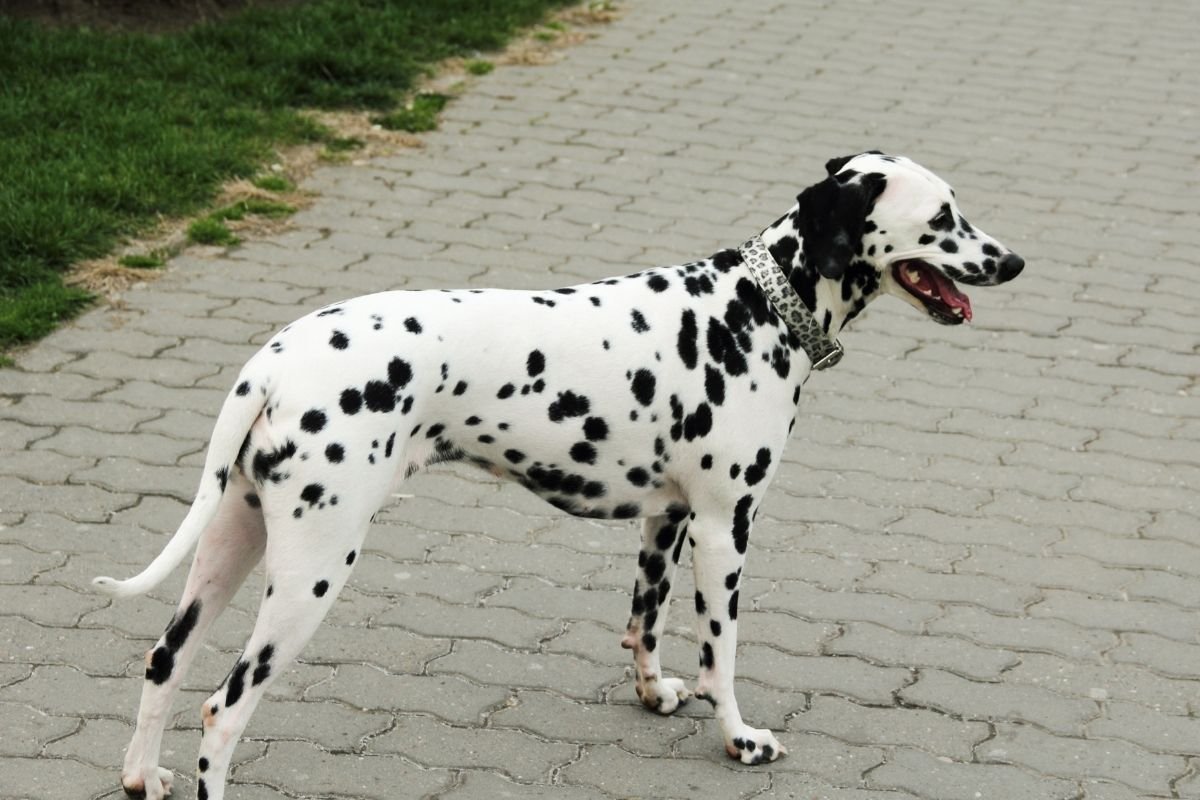
Is your dog struggling to breathe at times—perhaps panting, making odd noises, or breathing rapidly? Any difficulty your dog has with breathing should raise a red flag and prompt you to book an urgent appointment with the veterinarian.
Let’s explore the signs of abnormal breathing in dogs, the possible reasons behind respiratory distress, and what to do if your canine companion seems short of breath.
Recognizing Abnormal Breathing in Dogs
There are a number of warning signs that your dog isn’t breathing properly. Careful observation—both listening and watching—may reveal abnormal respiratory patterns. Depending on the cause, your dog may breathe rapidly but with its mouth closed, a phenomenon known as tachypnea.
Other cases are unmistakable: exaggerated belly and chest movements, audible respiratory noises, or wheezing—these point to dyspnea.
If your dog is desperately seeking air, mouth open and neck stretched upwards, this is referred to as orthopnea.
Keep an eye out for accompanying symptoms such as:
- Coughing
- Pale gums or mucous membranes
- Nasal discharge
- Trouble swallowing
Why Is My Dog Having Trouble Breathing?
A whole array of conditions, both minor and severe, can make it hard for a dog to breathe. Sometimes it’s a simple fever or anxiety, but in other cases, it might be a symptom of something far more serious. If your dog has breathing difficulties, it could be suffering from one of the following problems:

- Heart conditions: congestive heart failure, or heartworm (worms inside the heart).
- Respiratory issues: pneumonia, tumors, pulmonary edema; diseases of the pharynx, larynx, trachea, lungs, or presence of foreign bodies, as well as growths in the nasal passages.
- Trauma: including hemothorax or pneumothorax.
- Metabolic diseases.
- Toxic inhalation: exposure to fumes, irritant chemicals, or poisonous gases.
In some situations, your dog may struggle to breathe after injuring itself or if a foreign object lodges in its nose or throat.
If you notice your dog snoring loudly, this could be due to overly narrow nostrils restricting its airway. And when summer heat rolls in, heatstroke is another common trigger for canine breathing trouble.
Remember: if your dog can’t catch its breath or doesn’t quickly return to a normal breathing pattern, get to the vet immediately.
Are Certain Breeds Predisposed to Breathing Difficulties?

Some brachycephalic breeds—those with shortened muzzles and flatter faces—are notably more vulnerable to breathing problems. Selective breeding to achieve that “human-like” face has, over the years, led to genetic changes: these dogs are more likely to develop snoring and chronic respiratory difficulties, all thanks to malformed, narrowed nostrils, an abnormality called stenotic nares.
Among these higher-risk breeds are the French Bulldog, English Bulldog, Cavalier King Charles Spaniel, and the Pug. Surgery is sometimes needed to open up the nostrils and help the dog breathe more freely.
On the other hand, Golden Retrievers and Labradors tend to develop neurological conditions as they get older that can make it hard for their larynx to open fully, resulting in respiratory challenges.
My Dog Has Trouble Breathing: What Should I Do?
The very first thing you should do if your dog is struggling for air is to contact a veterinarian immediately.
If you can’t get to the vet straight away, move your pet somewhere cool and well-ventilated. Use a blanket, gathering all four corners as you carry your dog, making absolutely sure there’s no pressure on its chest.
If you suspect a foreign object is lodged in its airway or nostrils, you can attempt to remove it gently—but exercise extreme caution.
If it’s a case of heatstroke, cool your dog with fresh water as you prepare to visit the vet. On hot days, consider investing in a canine cooling mat to help prevent heat-related breathing issues in the first place.
