
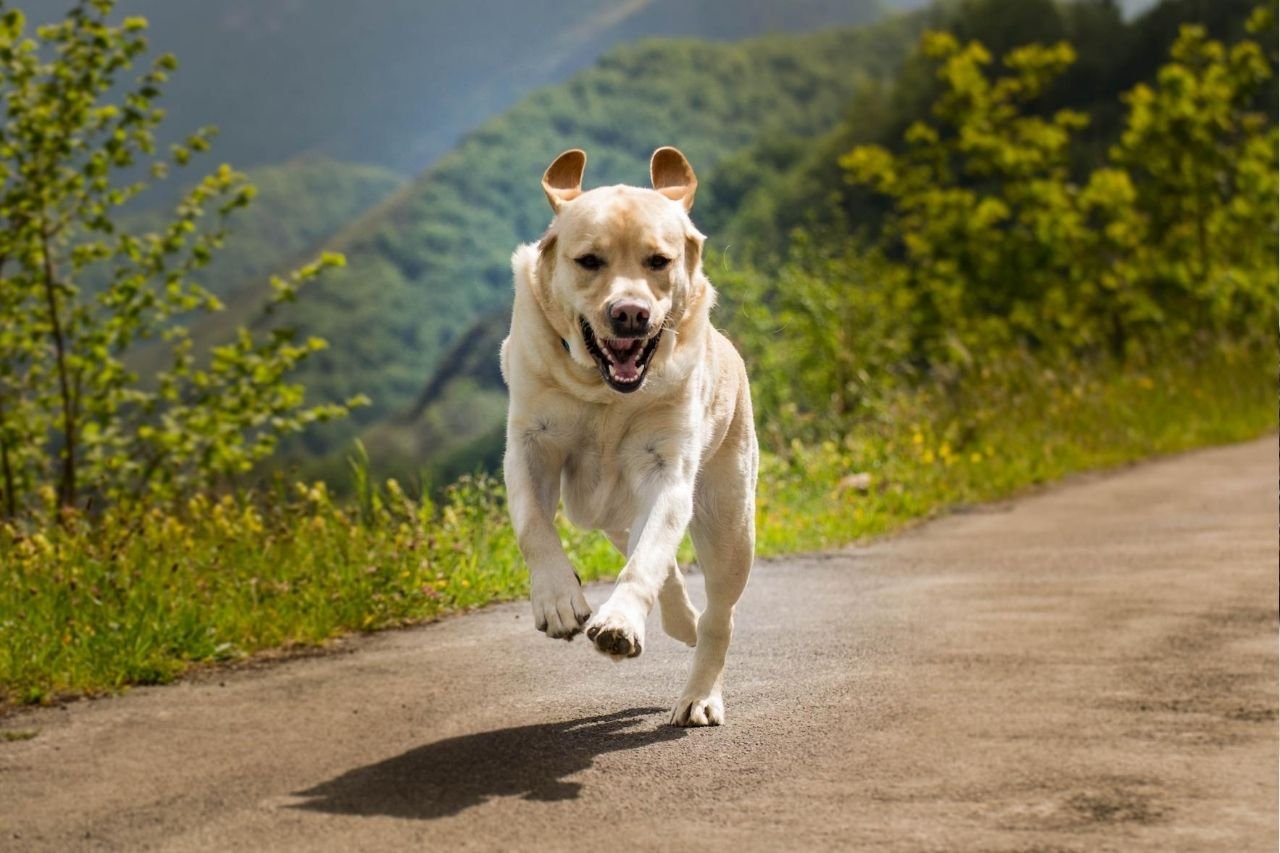
Have you noticed your dog chasing cars? Or, even more alarming, making bold dashes right under moving vehicles? This behavior, while unsettling, is surprisingly common among our four-legged companions.
In this guide, uncover why this happens and the effective ways to address it and keep everyone safe.
Why Does My Dog Chase Cars?
Understanding the root cause of this compulsive behavior is key. There isn’t a single answer—several factors could be at play:
Fear
Perhaps your dog chases cars simply because he isn’t used to seeing them. When faced with something unfamiliar, dogs often react defensively or with aggression. If you live in a quiet area with few cars, vehicles can seem like mysterious invaders.
It could also indicate a lack of socialization. Puppies deprived of new experiences and interactions are much more likely to show erratic or fearful reactions, especially to things that move quickly and make noise.
Trauma
Sometimes, there’s a past wound lingering beneath the surface. A dog who’s suffered a trauma related to a car may see every passing vehicle as a threat to ward off.

While certain dogs bolt away in fear, others become outwardly aggressive, compelled by adrenaline to confront what they perceive as danger. If your dog is running after cars, he may be acting out of this defensive impulse.
Instinct
Many dogs are simply following their instincts. Breed plays a substantial role here: consider how a hunting dog’s predatory drive pushes him to chase anything that moves.
Similarly, guard dogs are wired to see new stimuli as threats, ever-vigilant to protect home and family. Herding breeds, meanwhile, feel a primal urge to control and round up whatever catches their eye—cars included.
Need to Burn Energy
Never underestimate the canine need for activity. Some dogs, especially working breeds, are buzzing with energy.
For them, almost anything becomes a trigger to release pent-up enthusiasm. Boredom in the house or backyard only heightens their urge to move and chase.
Chasing cars isn’t just a frustrating quirk—it’s a real safety hazard. Thankfully, there are practical steps to prevent this behavior and avoid dangerous situations.
Socialization
Critical socialization takes place in a dog’s first 12 weeks. It’s during this time that your dog learns to handle new experiences and becomes comfortable with various stimuli. Well-socialized puppies generally grow into calmer, more self-controlled adults.
Regular Walks
One of the best ways to help your dog adjust to vehicles is regular, structured walks. Walk him on a leash for safety, starting in quieter areas if he’s not used to traffic.
Car rides can also speed up the adaptation process. The more your dog travels in a car, the less intimidating vehicles on the road will seem.
If socialization is a struggle, consider consulting a professional trainer. Every dog adapts differently, and customized guidance can make all the difference.
Activities for Burning Energy
Some dogs have enough energy to power a small city. Make sure your dog gets to expend that energy in healthy ways; it’s the foundation of a balanced, stress-free life.
Not sure where to start? Try these strategies:
- Take your dog for outings beyond the backyard at least half an hour daily
- Engage him with games that tax both body and mind
- Facilitate regular play sessions with other dogs
- Offer sturdy chew toys to keep his jaws busy
- Prioritize daily playtime together
Managing Instincts
If your dog is triggered by instinct, you’ll need to teach him self-control.
This requires patient, consistent training. Engage his natural talents in a controlled way while gradually reinforcing your commands, until he learns to listen to you no matter the situation.
For hunting breeds, nosework or scent games provide a positive outlet. For hounds, focus on running activities. Guard dogs usually benefit most from structured socialization practice.
Obedience Training
Mastering a solid “stop” or “leave it” command is invaluable. If you can earn your dog’s attention and teach him to disengage, it’ll become much easier to prevent him from bolting after cars. Sometimes, a firm “Stop!” is all you need to keep him safe.
This isn’t instant—it calls for patience and unwavering consistency. But with proper training, reaching your goal is entirely possible.
