
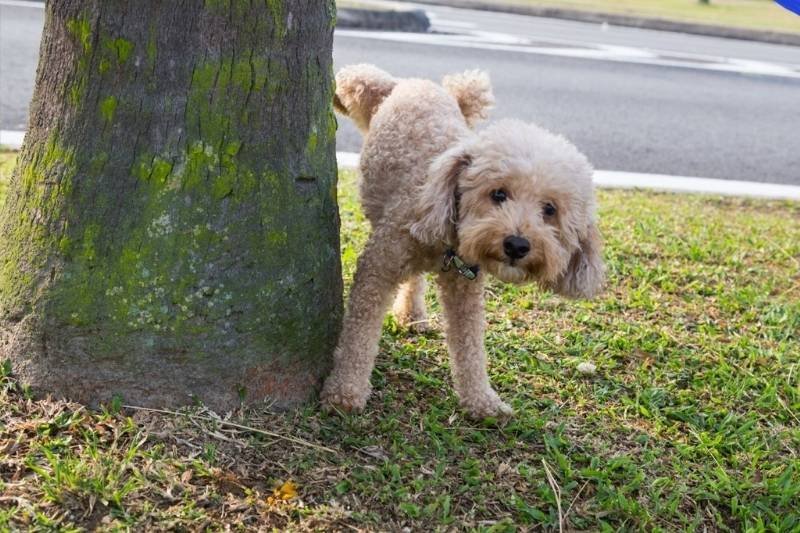
You take your dog out regularly, you walk together rain or shine, and yet—he stubbornly refuses to relieve himself outside. Your dog prefers your hardwood floor or, worse, your plush rugs! Why does this happen? Is your dog trying to get back at you? Most importantly, how can you help him overcome this behavior?
Why Doesn’t My Dog Go to the Bathroom Outside?
There’s no single answer to why a dog refuses to do his business during walks. The reasons are varied and often depend on your dog’s age and history. One thing is absolutely crucial: distinguish between a puppy who’s never fully learned to go outside (he’s still learning the ropes), and an adult dog who previously was clean but suddenly stops going outside.
My Puppy Has Never Really Been Housebroken
Some puppies may go outdoors occasionally, but just as easily have accidents inside. Why? Here are some of the main reasons:
- House-training takes time—often several months—for the lesson to really stick;
- Puppies under 6 months often can’t “hold it” for long periods, even if they want to;
- Strong emotions—whether stress or excitement—make impulse control difficult;
- Distractions outside might cause your puppy to forget he even has to go.
My Adult Dog Was Housebroken But Stops Going Outside
Your dog was previously clean—maybe with you, maybe with a former owner—but suddenly stops doing his business outdoors. Why the change? Here are possible explanations:
- He experienced something upsetting outdoors (trauma, aggression, loud noises);
- Recently, his walks have been shortened—there’s not enough time to feel relaxed;
- He’s recently come from a shelter—a big adjustment in environment and routine.

Every situation described demands a different approach and response from you.
Your Puppy Never Learned Cleanliness or Just Arrived from a Shelter
Even if your puppy once seemed fully house-trained, all learned behaviors need repetition and time to turn into habits. House-training takes patience, consistency, and calm. If you realize your dog is struggling, don’t hesitate to go back to basics: increase walk frequency, praise him warmly for outdoor successes, and be generous with encouragement.
If your dog is newly adopted from a shelter, his world has just been turned upside down. He may be confused and anxious, unsure of where to go. Devote extra time to building his trust and gently reinforce house-training: walk more often, give him opportunities to explore, and reward him when he gets it right. Don’t make walks only about ‘doing business’; let him enjoy the experience so he relaxes.
Your Puppy Cannot Hold It or Is Overwhelmed by Emotions
Puppies younger than six months may be physically unable to “hold it” for long, even if they know where they should go. Sometimes, learning just takes longer—no need to worry!
What can you do to help? Increase or adjust the frequency of walks if possible, so you’re not setting your puppy up for failure. Shorter intervals can make all the difference.
Never scold your dog! When he relieves himself inside, it’s not mischief—he simply couldn’t help it. Punishment, or outdated advice like rubbing his nose in it, does nothing to aid learning and only creates fear.
Excitement Makes Your Dog Forget His Needs or He’s Anxious Outdoors
The outside world is an adventure—full of new smells, new friends, and surprises. For a puppy, everything is play; for a sensitive or older dog, the same world might feel overwhelming or scary.
Whether your dog is too excited or too anxious, a similar strategy helps: lead your dog to a quiet, safe place away from distractions. Stay out long enough for your dog to calm down and “settle in.” If he has a favorite toy, bring it along—it can either help focus him or provide comfort.
A longer, gentle walk gives your dog space to relax, unwind, and—eventually—do his business outside. Praise and celebrate every success!
Again, never yell or punish. For emotional dogs, scolding only creates more stress and makes learning nearly impossible.
Walks That Are Just for Potty Breaks
Sometimes, especially if you live in an apartment, you may only be able to take your dog out first thing in the morning or late at night—just to do his business. Should you worry that your dog will associate short walks only with going to the bathroom? What if he holds it because he wants a longer walk?
Don’t worry—it’s perfectly fine to have one or two walks a day that are solely “potty walks.” With consistency, your dog will pick up on the purpose of these outings. Building this understanding, however, takes time and trust. If your daily schedule includes at least one longer, more relaxing walk (and only one or two short “potty” outings), your dog will adapt just fine.
On the other hand, if every walk is short, rushed, and unfulfilling, your dog may start acting out with destructive behaviors or accidents at home. Dogs need stimulation and variety, not just quick trips outside.
In summary: Several causes could explain why your dog refuses to relieve himself during walks. Understanding his specific situation is crucial before looking for a solution. Above all, punishment is never the answer—it only creates tension and makes everything worse. With patience, observation, and kindness, you’ll help your dog feel secure and master this essential routine.
