
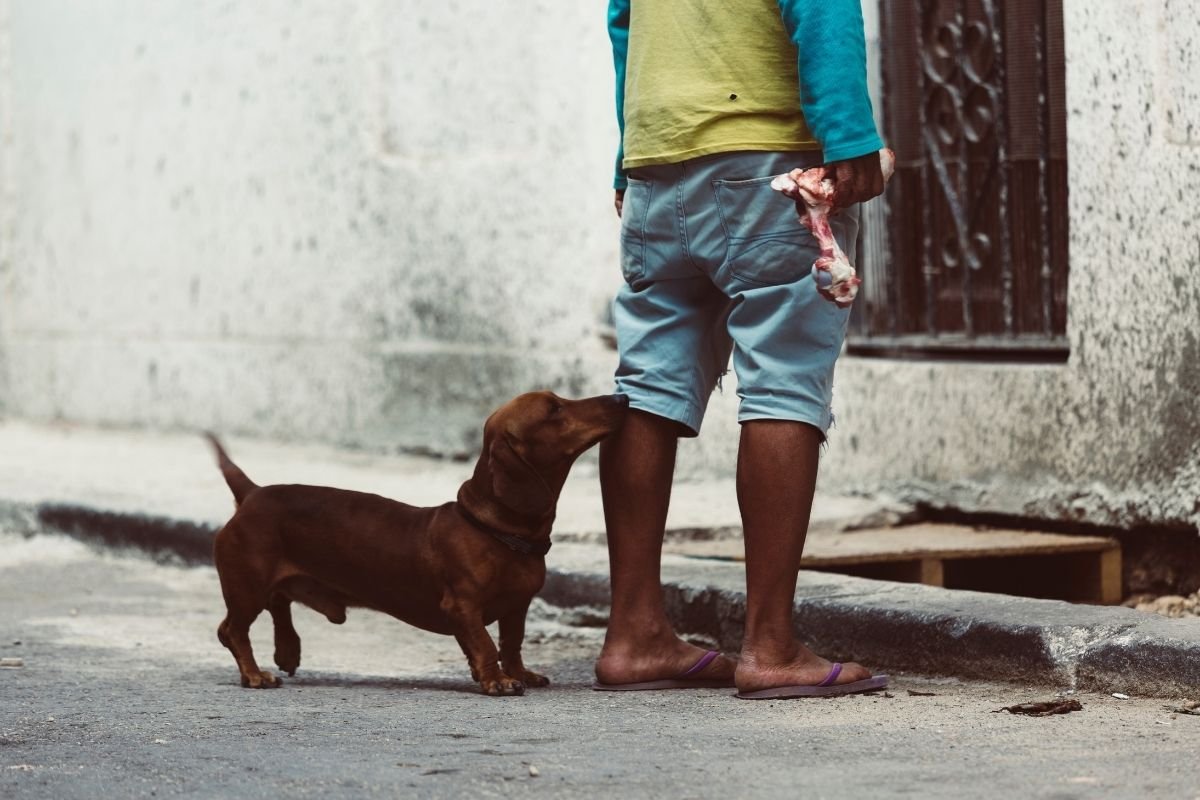
In this article, explore the reasons behind your dog’s velcro-like attachment—and discover effective strategies to encourage healthy independence.
Why is your dog clingy?
There are several reasons why a dog might behave like your personal shadow. More often than not, it’s a combination of factors, all coming together to explain this intense attachment.
Personality Trait
Some dogs are simply more clingy by nature than others. For instance, Shiba Inus are renowned for their independence, while Bichon Frisés aren’t fond of being left alone. Even within the same breed, certain individuals are more— or less—comfortable with solitude.
Frequent Absence
If you’re away from home often—or gone for extended periods—your dog might feel blue and latch onto you whenever you’re around. Their clinginess is simply their way of saying, “I’ve missed you.”
Hyper Attachment
Your own behavior can highly influence your dog’s attitude. If you spend hours on end with your pup, constantly seeking their attention—even jumping in when they’re napping or relaxing—you may unintentionally foster a sense of dependency.
Fear of Abandonment
If your dog has experienced abandonment, they might naturally stick closer to you everywhere you go. Their past leaves a significant mark, making them crave constant reassurance from your presence.
What to do if your dog is clingy?
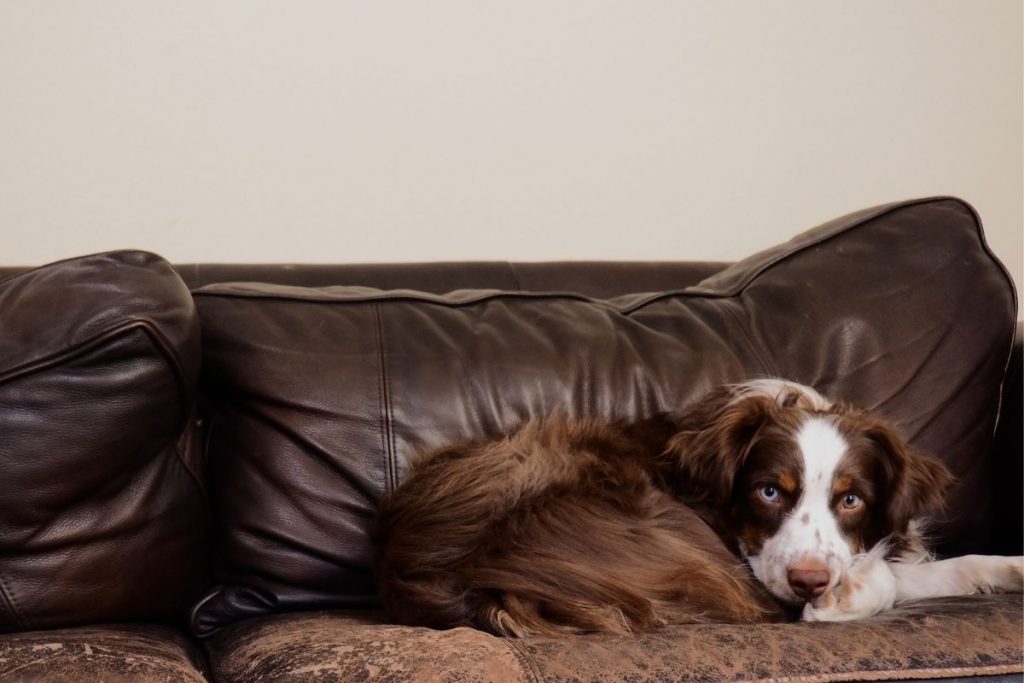
When your dog’s neediness gets to be too much, there are several ways you can help encourage healthier boundaries—while still keeping your bond intact.
Work on Your Dog’s Stress
Many dogs are simply stressed. Fortunately, there are ways to help them unwind. Bach flower remedies, for example, can have a calming effect. You can also gradually teach your dog to be comfortable alone by leaving them in a neighboring room for short periods—building up their confidence in solitude, slowly but surely.
Let Your Dog Enjoy Alone Time
If your dog is happily playing, resting, or eating—let them be. Don’t interrupt or demand their attention. By doing so, you actually teach them self-reliance rather than reinforcing dependence. Dogs often believe you need them just as much when you’re always hovering, which only fuels their desire to stick by your side everywhere you go.
Leave Your Dog With a Sitter
Show your dog they can have fun and feel secure, even without you, by occasionally placing them in the care of a trusted dog sitter. For a few hours, a full day, or even a weekend, these breaks promote socialization and help your dog understand you’ll always come back.
Consult a Canine Behaviorist
If your dog’s anxiety is especially severe, scheduling a session with a professional canine behaviorist can be transformative. They’ll pinpoint the root of the attachment, then offer personalized solutions—including exercises—to help your pooch develop trust and confidence in their own company.

Reflect on Your Own Habits
As mentioned earlier, you might be a big part of why your canine companion has become so clingy.
Ask yourself: Do you truly want your dog to enjoy being alone, or to bond with other humans too? Some dog owners are so attached that they unconsciously monopolize their pet’s affection, inadvertently reinforcing the dog’s need to always be close.
If you decide to work with a canine behaviorist, be open about your own routines and attitudes—they might be just the missing piece needed to soothe your dog’s anxiety and foster his independence.
