
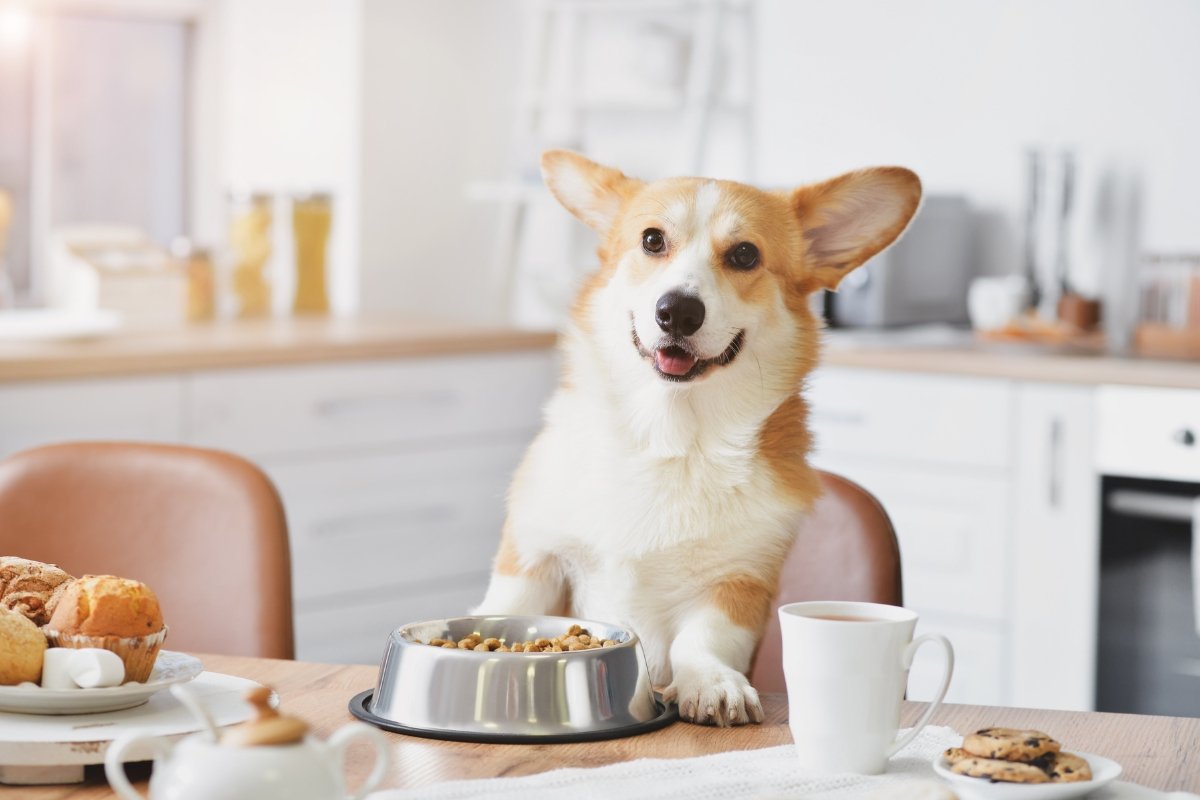
This guide will walk you through everything you need to know about organizing your dog’s meals, from picking the perfect bowl, to measuring out the right quantities, and adopting the best feeding habits for everyday life.
Choosing the Right Bowl for Your Dog
Selecting a food bowl might seem trivial at first glance, but it can make a world of difference. Depending on your dog’s size and eating style, a properly chosen bowl—considering material, shape, and height—can make mealtime smoother, ward off overeating, and prevent digestive discomfort. A few minutes spent picking out the right bowl can truly set the stage for healthier daily habits.
Understanding Your Dog’s Nutritional Needs
Just as no two dogs are exactly alike, their nutritional requirements evolve based on age, size, and activity level. Puppies with boundless energy, lively adults, and wise seniors each require different amounts and types of proteins, fats, vitamins, and minerals. Meeting these crucial needs not only maximizes vitality but also guards against diet-related illnesses down the line.
Adjusting Meal Frequency
The ideal meal schedule? There’s no universal answer. Your dog’s age, activity level, and health status guide just how often you should fill their bowl. Finding the perfect rhythm helps optimize digestion and minimize unwanted behaviors—like gulping meals at lightning speed. Take your time to experiment and observe until you land on what works best for your companion.
Measuring Portions Correctly
Accuracy is everything when it comes to portioning. Maintaining a healthy weight depends on feeding portions tailored to your dog’s energy needs. Guidelines, usually listed in grams per kilogram, can shift between kibble types and brands, so always pay attention to the label—and never hesitate to seek your vet’s advice for a personalized approach.
Tips for Preventing Problematic Eating Behaviors
Some dogs become overly anxious or greedily obsessed with their bowls. Establishing simple rituals and using clever tools, like anti-gulp bowls or puzzle feeders, can help slow things down. Scatter feeding treats for training or rewarding measured calmness around meals also builds a positive relationship with food, paving the way for balance at each mealtime.
Conclusion
Creating the perfect feeding routine for your dog isn’t rocket science—it’s about careful observation and a willingness to make thoughtful adjustments. In return, you’ll see notable benefits for your dog’s overall wellbeing.
By investing time in choosing the right feeding equipment, deeply understanding your dog’s nutritional needs, and tweaking both frequency and portion sizes, you set the foundation for a healthy, vibrant life. Balanced nutrition truly is the secret to a happy and energetic dog.
Frequently Asked Questions (FAQ)
How do I know if my dog is getting enough to eat?
Watch for changes in weight and energy, and monitor their overall behavior. If you’re unsure, regular check-ins with your veterinarian can help fine-tune your dog’s diet and keep everything on track.
What should I do if my dog eats too quickly?
Switching to an anti-gulp bowl or splitting meals into smaller, more frequent servings can help your dog slow down and improve digestion dramatically.
Is it okay to give my dog leftovers from the table?
It’s better to avoid table scraps, as they’re often too fatty or salty for canine health. Opt instead for foods and treats made specifically for dogs to ensure they’re getting quality ingredients.
