
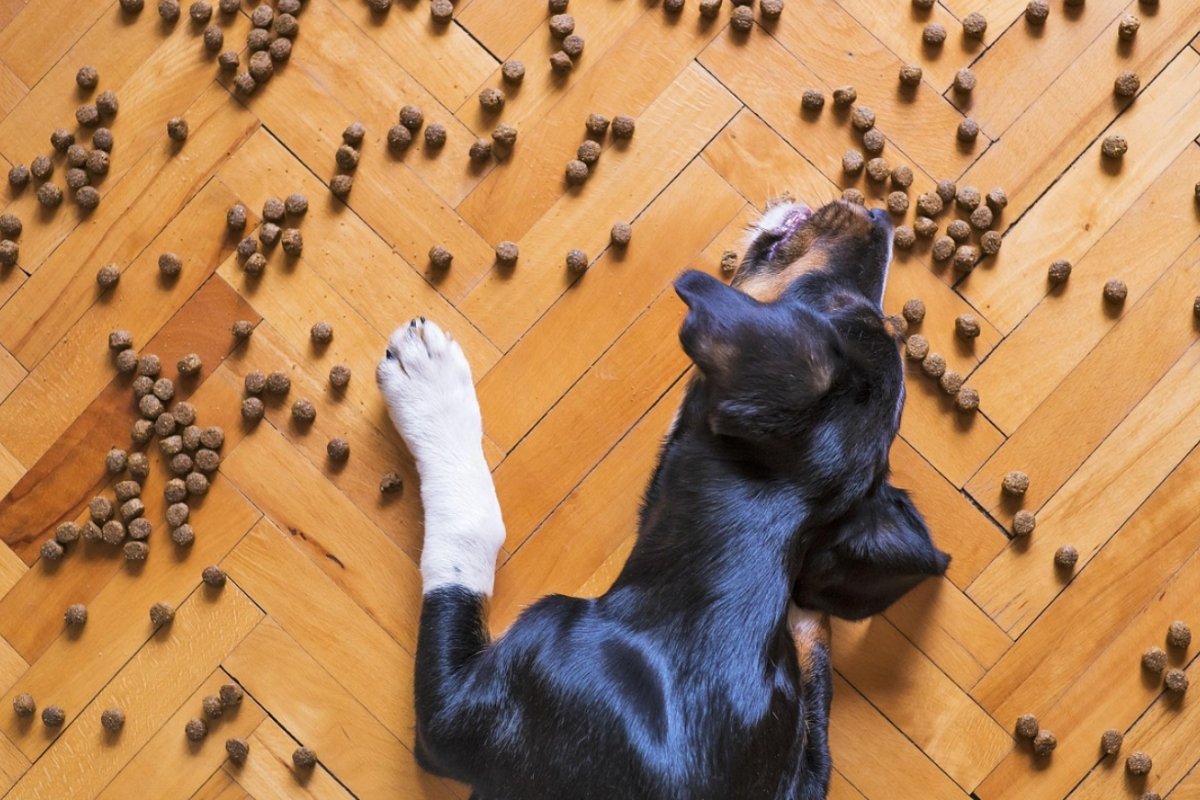
This article spotlights the top 10 forbidden foods for dogs and breaks down the most dangerous risks associated with them. In the event of an emergency, trying an at-home veterinary service can be a quick, effective way to get prompt help.
Why You Must Be Careful With Forbidden Foods for Dogs
Dogs’ nutritional needs differ from ours, meaning that foods safe for humans can be downright toxic for canines. Dangerous foods can lead to all sorts of issues in dogs, ranging from mild digestive upset to life-threatening poisoning.
Understanding these risks is a must for preventing emergency vet visits and keeping your best friend healthy and happy for years to come.

⚠️ Don’t wait for your dog to eat something dangerous—protect their health now with pet insurance!
✅ Get reimbursed for up to 100% of your veterinary expenses in the case of illness, accidents, or surgeries.
The Top 10 Forbidden Foods for Dogs
Here’s a detailed look at the 10 most notorious everyday foods that are absolutely off-limits for dogs, complete with the dangers associated with each one.
Chocolate
Chocolate tops the list for good reason. It contains theobromine, a compound that dogs process extremely slowly.
Even a small piece can spark alarming symptoms: vomiting, diarrhea, hyperactivity, muscle tremors, or worse—convulsions. The darker the chocolate, the greater the danger because of the higher theobromine concentration.
Grapes and Raisins
Few foods are more toxic for dogs than grapes and raisins—even today, the exact reason for their toxicity isn’t fully understood.
Just a handful can cause acute kidney failure, producing symptoms like vomiting, diarrhea, loss of appetite, and lethargy. Never, ever let a dog have access to these items.
Garlic and Onion
Both raw and cooked garlic and onions, even powdered forms, contain thiosulfates. These compounds can destroy your dog’s red blood cells and trigger potentially deadly anemia.
Look out for warning signs like vomiting, lack of appetite, lethargy, and dark-colored urine. Small, regular amounts quickly become dangerous.
Xylitol
Xylitol, a widely used artificial sweetener in sugar-free gum, candies, and baked goods, is genuinely hazardous for dogs.
Xylitol rapidly triggers insulin spikes, severely lowering a dog’s blood sugar—a condition called hypoglycemia. Watch for vomiting, generalized weakness, lethargy, or seizures. In severe cases, xylitol can cause lasting liver damage.
Cooked Bones
Cooked bones—especially from chicken or lamb—can shatter into jagged, sharp splinters.
If swallowed, they can pierce your dog’s esophagus, stomach, or intestines, risking infection or potentially fatal blockages. Though they might look like a tempting treat, avoid giving your dog any cooked bones at all costs.
Alcohol
Alcohol is a powerful poison for dogs even in tiny amounts. Clinical signs can include vomiting, diarrhea, depression of the central nervous system, hypothermia, seizures, and slowed breathing.
The effects are even more severe for dogs than humans, since their bodies metabolize alcohol much more slowly.
Milk and Dairy Products
Milk isn’t inherently poisonous, but many adult dogs are lactose-intolerant, which leads to tummy troubles such as gas, bloating, cramps, and diarrhea.
Steer clear of dairy unless you know your dog tolerates it well.
Avocado
Avocados contain persin, a compound that is problematic and sometimes toxic for dogs. While the effects can vary from dog to dog, ingestion may result in vomiting, diarrhea, and stomach pain. The safest course is to skip avocado entirely.
Yeast Dough
Unbaked or raw yeast dough is seriously risky for dogs. It continues to expand in their stomach, leading to dangerous bloating and intense stomach pain.
Furthermore, fermentation in the dog’s gut produces alcohol, which can trigger alcohol poisoning.
Fatty Foods and Table Scraps
Foods heavy in fat—think greasy meats or fried leftovers—can wreak havoc on your dog’s digestive system. Too much fat can cause pancreatitis, a painful inflammation of the pancreas that sometimes needs urgent veterinary intervention.
Furthermore, leftovers may contain hidden spices or ingredients that are toxic to dogs.
How to Protect Your Dog From Dangerous Foods
No matter how common or appealing certain foods may be for people, some are simply too dangerous for dogs.
Keep these foods out of reach and educate your household (and any visitors) about these threats. Vigilance is the best form of prevention for life-threatening accidents.
If you’re ever unsure, or you think your pet may have eaten something toxic, contact a veterinarian immediately. Using at-home vet services can provide fast, discrete help in those stressful moments.
