
Introduction
The Basset Fauve de Bretagne is a French scent hound recognized for its energy, resilience, and friendly disposition. Compact yet athletic, this breed was developed for hunting in demanding terrain and remains highly valued for its endurance and keen sense of smell. Today, it is appreciated both as a working dog and as an active companion. This article presents a structured overview of the breed’s origins, physical traits, behavior, care needs, and living requirements.
Origin and History
The Basset Fauve de Bretagne originates from the Brittany region of France. It descends from larger Breton hounds that were selectively bred to create a smaller, low-set dog capable of tracking game through dense undergrowth. The term “fauve” refers to the breed’s characteristic fawn-colored coat. Its development focused on stamina, determination, and adaptability to varied terrain.
Physical Characteristics
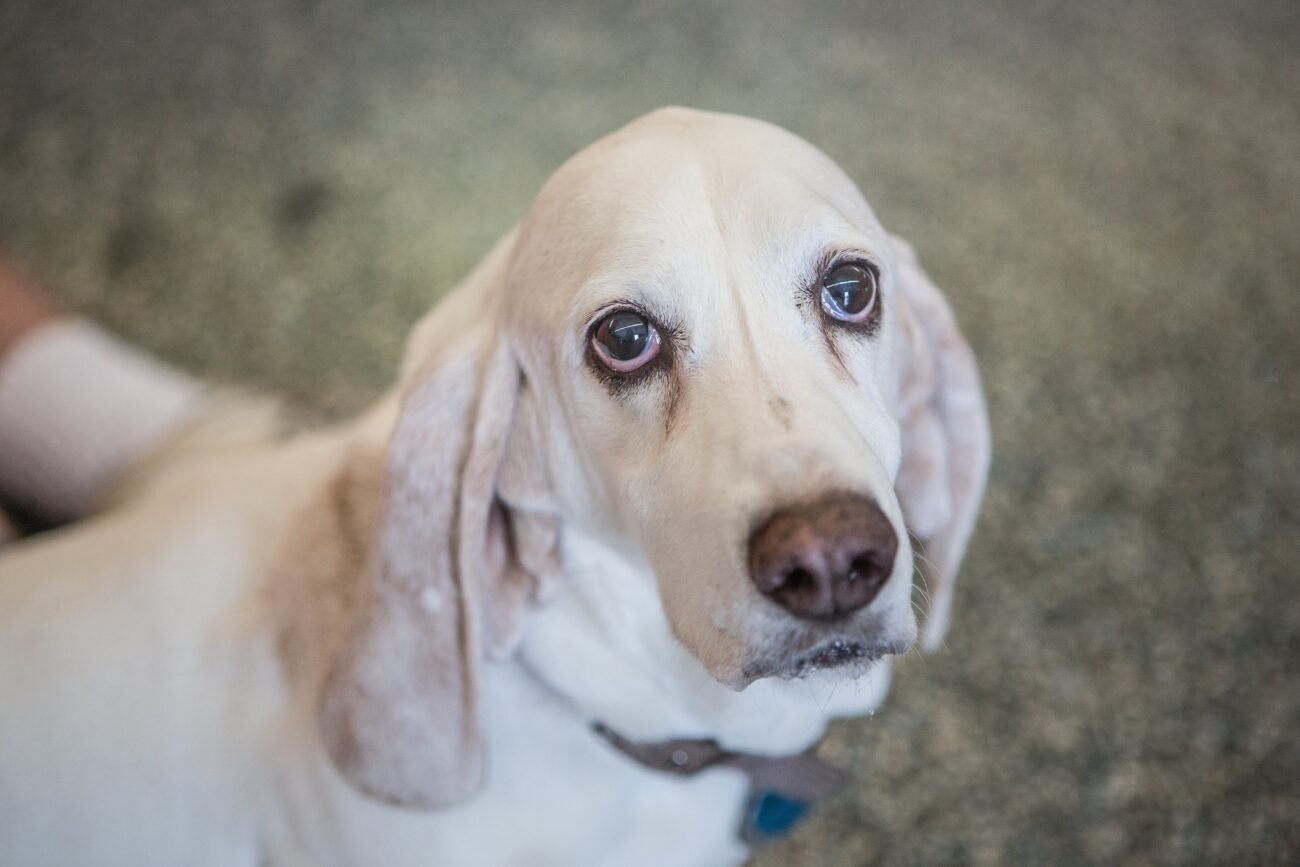
The Basset Fauve de Bretagne is a small to medium-sized dog with a strong, elongated body designed for endurance rather than speed.
Key Features
- Low stature with a muscular, well-proportioned build
- Rough, wiry, and weather-resistant coat
- Fawn coloring ranging from golden to reddish tones
- Medium-length ears carried close to the head
- Dark, alert eyes with an attentive expression
These characteristics reflect the breed’s functional purpose as a scent hound.
Temperament and Personality
This breed is known for its lively, sociable, and curious temperament. The Basset Fauve de Bretagne typically forms strong bonds with its family and enjoys regular interaction.
Behavioral Traits
- Friendly and affectionate with familiar people
- Energetic and enthusiastic outdoors
- Independent yet responsive with consistent guidance
- Strong scent drive that influences behavior during walks
Its balanced temperament makes it suitable for owners who can provide both structure and activity.
Exercise and Mental Stimulation
The Basset Fauve de Bretagne has high activity needs relative to its size. Regular exercise is essential to maintain physical health and prevent boredom.
Recommended activities include daily walks, scent-based games, and varied play sessions. Due to its tracking instinct, secure environments are important when allowing off-leash movement.
Training and Socialization
Training should begin early and focus on positive reinforcement. The breed’s intelligence and curiosity support learning, though its independence requires patience and consistency.
Early socialization helps the dog adapt to different people, animals, and environments. Clear routines and engaging training sessions support reliable behavior.
Health and Lifespan
The Basset Fauve de Bretagne is generally robust, with an average lifespan of approximately 12 to 14 years. Routine veterinary care supports long-term health.
Areas to monitor include ear hygiene, joint health, and dental care. Maintaining an appropriate weight is particularly important to reduce strain on the body.
Nutrition and Feeding
A balanced diet suited to an active small to medium-sized dog supports energy and overall condition. Portion control helps prevent excess weight gain, which can affect mobility and endurance. Structured feeding schedules are recommended.
Living Environment
This breed adapts well to various living environments, provided its exercise needs are met. It enjoys access to outdoor activity and benefits from an active household. Regular engagement and mental stimulation are essential for well-being.
Conclusion
The Basset Fauve de Bretagne is an energetic, resilient, and affectionate scent hound with a strong working heritage. Its combination of endurance, sociability, and curiosity makes it a rewarding companion for active owners. With appropriate exercise, consistent training, and attentive care, this breed can thrive in a wide range of home settings.
FAQ
1. What is the Basset Fauve de Bretagne known for?
It is known for its strong scenting ability, endurance, and lively temperament.
2. How much exercise does this breed require?
Daily physical activity, including walks and scent-based play, is essential.
3. Is the Basset Fauve de Bretagne suitable for families?
Yes, it is generally friendly and sociable when properly trained and socialized.
4. Does this breed require extensive grooming?
No, regular brushing and basic hygiene are usually sufficient.
5. What type of owner is best suited to this breed?
Active owners who can provide consistent exercise, structure, and interaction are ideal.
