
Introduction
The Pug, also known as the Carlin, is a small companion dog recognized for its distinctive appearance and sociable personality. With its compact build, expressive face, and affectionate nature, this breed has long been valued as a household companion. This guide presents a clear and structured overview of the Pug’s origins, temperament, physical traits, care needs, and suitability for different lifestyles.
Origin and History
The Pug originated in ancient China, where it was bred as a companion dog for nobility. The breed later reached Europe through trade routes and became especially popular in royal courts, particularly in the Netherlands. Over time, selective breeding refined the Pug’s physical characteristics, leading to the appearance and temperament known today.
Temperament and Personality
Pugs are generally known for their friendly and affectionate disposition. They tend to form strong bonds with their owners and enjoy close human contact. Playful yet calm, they adapt well to different household rhythms and are often described as attentive and good-natured.
Social Behavior
- Strongly oriented toward people
- Typically calm and not excessively vocal
- Sociable with children and other pets when properly socialized
- Comfortable in both active and quieter households
These traits make the Pug suitable for a wide range of owners, including first-time dog guardians.
Physical Characteristics
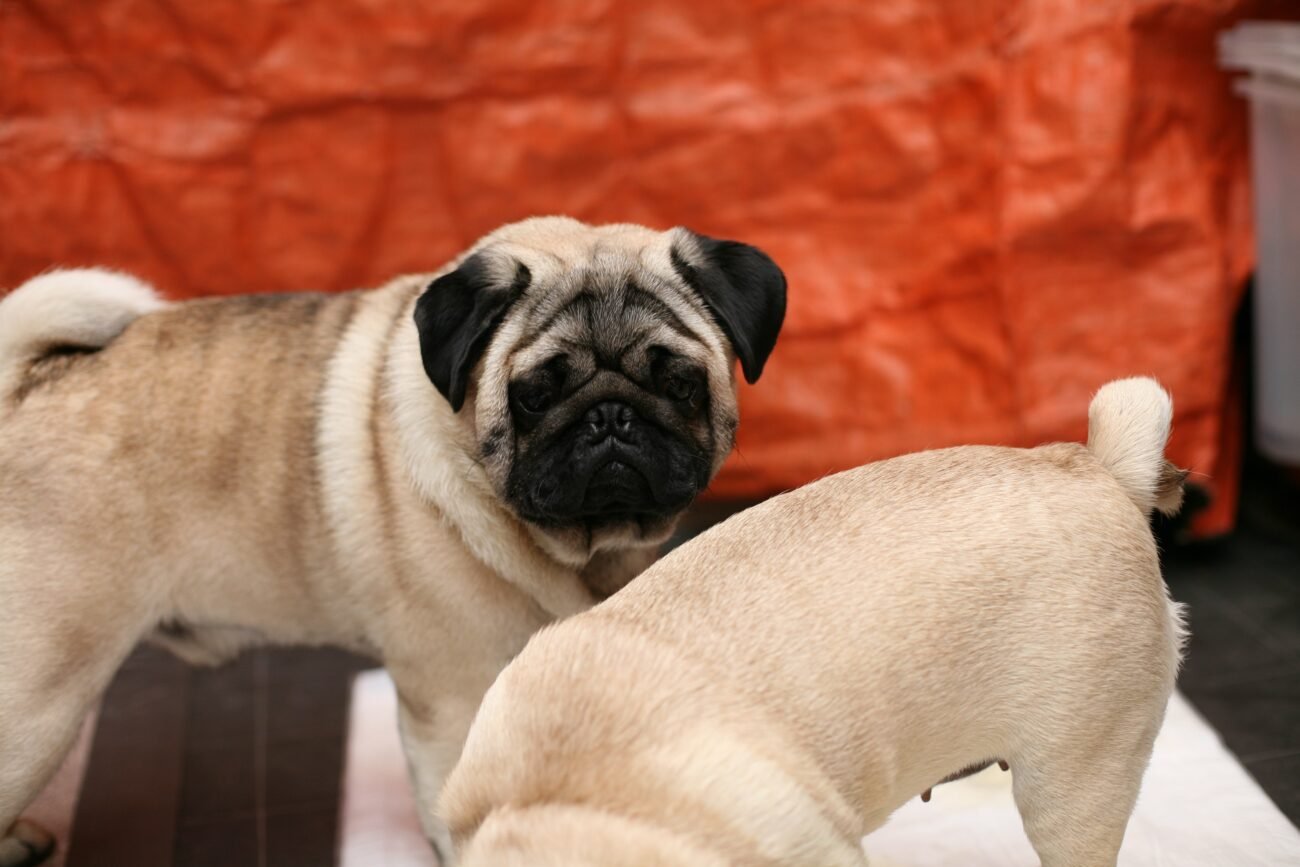
The Pug is a small but solidly built dog with a compact silhouette. Its defining features include:
- Height: Approximately 25 to 33 cm at the shoulder
- Weight: Usually between 6 and 8 kg
- Coat: Short, smooth, and glossy
- Colors: Commonly fawn, apricot, silver, or black
- Head: Broad skull, flat muzzle, large round eyes, and pronounced facial wrinkles
- Tail: Curled tightly over the back
These characteristics give the breed its instantly recognizable appearance.
Health and Lifespan
The average lifespan of a Pug is around 12 to 15 years. Due to its flat-faced structure, the breed is predisposed to certain health concerns:
- Breathing difficulties, particularly in warm conditions
- Eye sensitivity due to prominent eyes
- Skin irritation in facial folds if not properly cleaned
- Occasional joint issues, such as knee instability
Regular veterinary care and attentive daily management help reduce health risks.
Nutrition and Weight Management
Pugs are prone to weight gain, making balanced nutrition and portion control essential. A diet formulated for small breeds supports healthy digestion and weight maintenance. Dividing daily food intake into two meals and limiting treats helps prevent obesity.
Grooming and Daily Care
Although the Pug’s coat is easy to maintain, routine care is still important:
- Weekly brushing to manage shedding
- Daily cleaning of facial wrinkles
- Regular dental hygiene
- Frequent eye checks
These practices help maintain comfort and overall hygiene.
Exercise and Activity Needs
Pugs require moderate daily exercise. Short walks and gentle play sessions are usually sufficient to meet their needs. Due to their sensitivity to heat, strenuous activity and hot weather exposure should be avoided.
Living Environment and Family Compatibility
Pugs adapt well to apartment living and do not require large outdoor spaces. They are generally patient and playful with children and integrate well into multi-pet households when introduced appropriately. Supervision is recommended during interactions with very young children.
Conclusion
The Pug is a companion-oriented breed valued for its affectionate temperament, adaptability, and distinctive appearance. With appropriate care, balanced nutrition, and moderate exercise, this breed can thrive in many living environments. Its calm and sociable nature makes it a reliable and engaging family companion.
FAQ
1. What type of temperament does a Pug have?
Pugs are affectionate, friendly, and strongly attached to their owners.
2. How much exercise does a Pug need daily?
Moderate activity, such as short walks and playtime, is generally sufficient.
3. Are Pugs suitable for apartment living?
Yes, their size and calm nature make them well suited to smaller living spaces.
4. What health issues are common in Pugs?
Breathing difficulties, eye sensitivity, and skin fold irritation are among the most common concerns.
5. How can weight gain be prevented in Pugs?
Proper portion control, balanced nutrition, and regular light exercise help maintain a healthy weight.
