
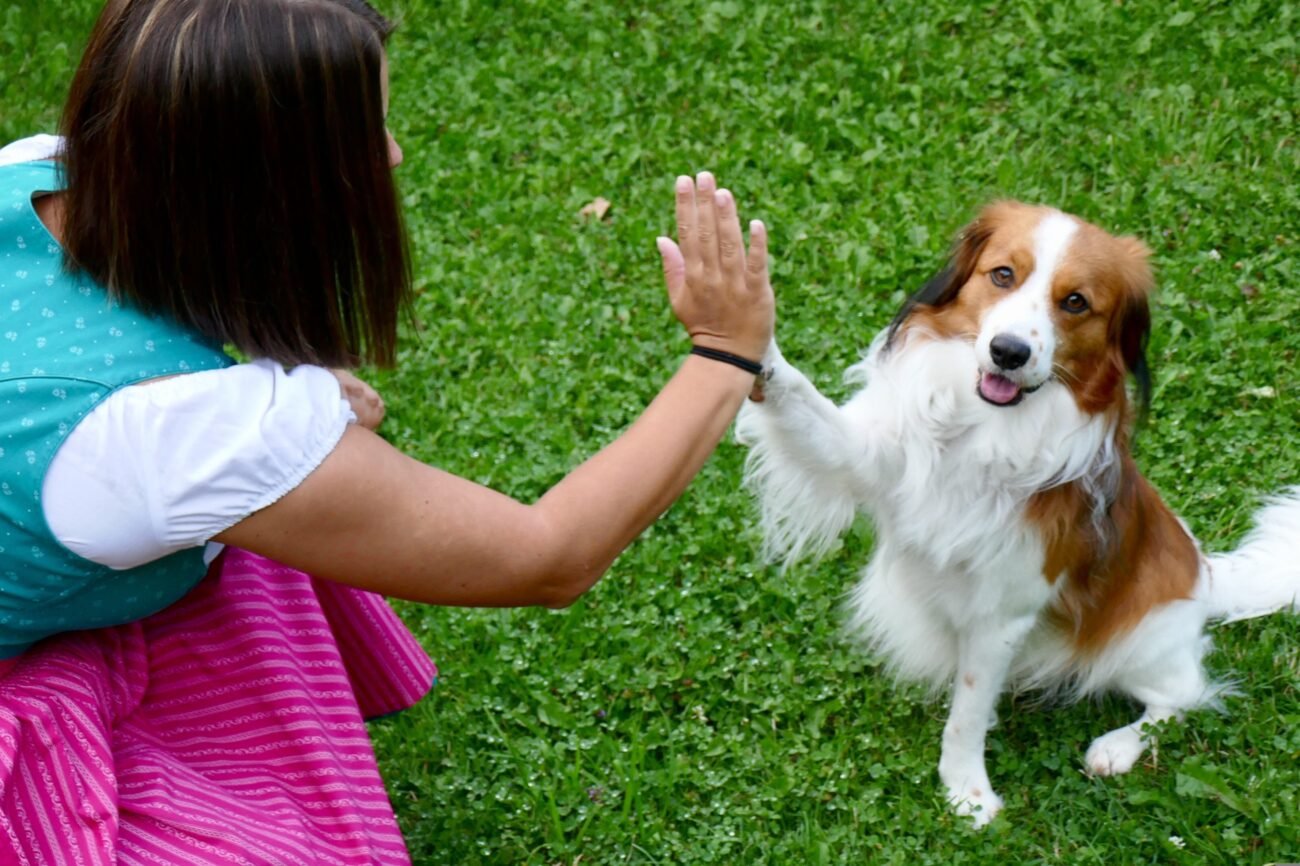
The relationship between humans and dogs is the result of a long history of coexistence and mutual adaptation. More than simple companionship, this bond is built on communication, trust, and shared experiences. Understanding how this relationship functions helps improve daily interactions, supports canine well-being, and fosters a balanced and respectful partnership between humans and dogs.
What Defines a Relationship?
A relationship can be described as a dynamic connection that develops over time through repeated interactions. It is not fixed but evolves according to experiences, behaviors, and mutual responses. In the context of humans and dogs, this relationship influences communication styles, learning processes, and social behaviors on both sides.
Attachment as the Foundation of the Bond
Attachment refers to a stable emotional connection that provides a sense of security. Dogs are capable of forming strong attachment bonds, not only with other dogs but also with humans. These bonds influence how dogs cope with stress, how they explore their environment, and how they respond to social cues. A secure attachment contributes to confidence, adaptability, and cooperation.
The Role of Socialization
Socialization is a key developmental process during which a dog learns how to interact appropriately with its environment. Early exposure to humans, animals, sounds, and various situations helps shape future behavior. Proper socialization supports emotional stability and reduces the likelihood of fear-based reactions later in life.
Domestication and Co-Evolution
Dogs are the result of thousands of years of domestication alongside humans. Over time, they developed a remarkable ability to understand human gestures, facial expressions, and communication signals. This shared evolutionary path explains why dogs are particularly skilled at cooperating with people and forming close social bonds that extend beyond basic survival needs.
Trust and Communication in Daily Life
Trust is a central element of a healthy human–dog relationship. It develops through consistent, predictable, and respectful interactions. Clear communication plays a crucial role and involves recognizing canine body language, responding appropriately to signals, and avoiding unnecessary force or pressure. Allowing dogs a degree of choice and autonomy also supports confidence and engagement.
Practical Ways to Strengthen the Relationship
A balanced relationship is supported by everyday actions, including:
- Observing and respecting individual preferences and limits
- Meeting physical needs through exercise and exploration
- Supporting emotional needs through calm, positive interactions
- Maintaining consistent routines and clear communication
- Sharing activities such as walks, play, and training
These practices help reinforce mutual understanding and cooperation.
Conclusion
The human–dog relationship is a complex and evolving bond shaped by attachment, social learning, and shared history. Built on trust, communication, and respect, it goes beyond basic care to form a meaningful partnership. By understanding canine behavior and responding thoughtfully to individual needs, humans can foster a relationship that supports well-being and enriches daily life for both species.
FAQ
1. Why is the human–dog relationship considered unique?
It is shaped by thousands of years of co-evolution, making dogs especially attuned to human communication and social behavior.
2. What role does attachment play in this relationship?
Attachment provides emotional security, influencing a dog’s confidence, stress management, and ability to cooperate.
3. How does socialization affect a dog’s behavior?
Early and positive socialization helps dogs adapt to different environments and reduces fear or anxiety later in life.
4. How can humans communicate more effectively with dogs?
By understanding body language, using consistent signals, and maintaining predictable interactions.
5. What daily actions help strengthen the bond with a dog?
Meeting physical and emotional needs, respecting boundaries, and engaging in shared activities all support a strong relationship.
