
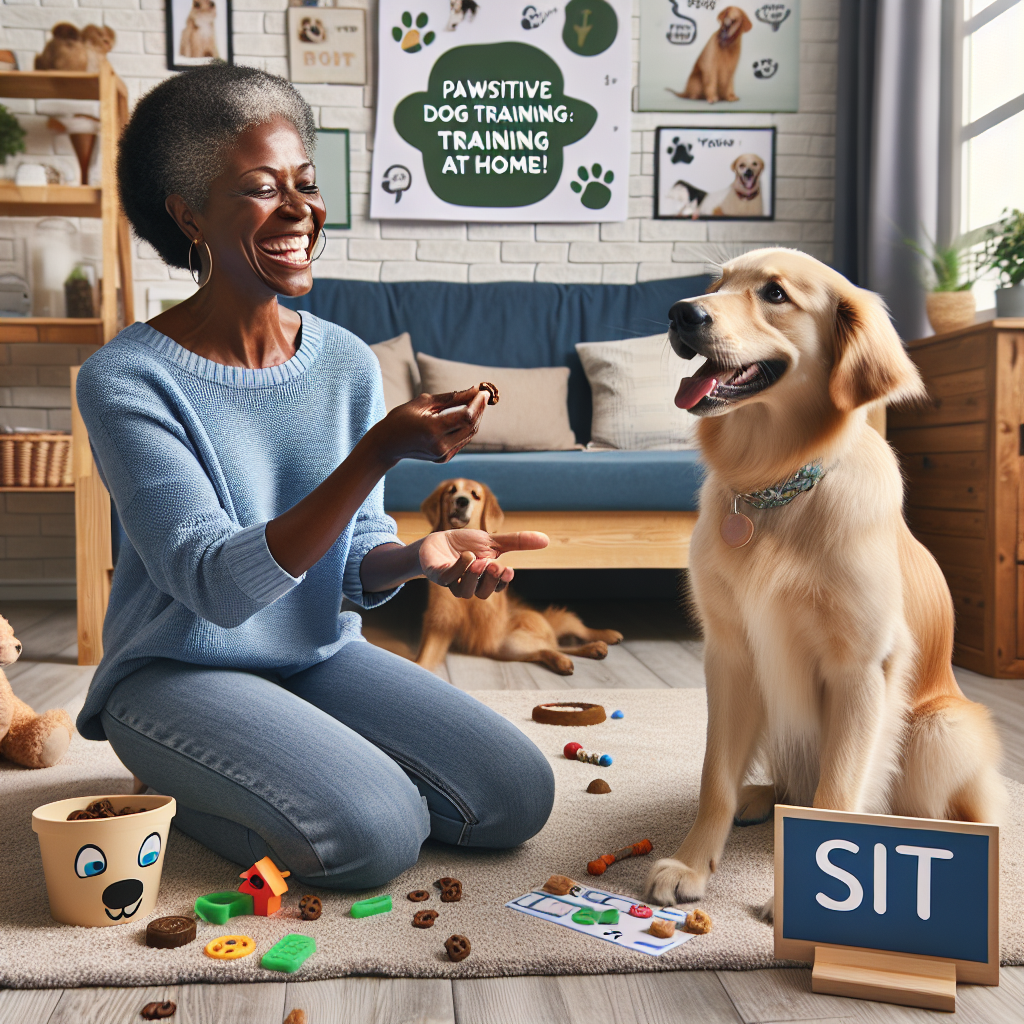
The Ultimate Guide to Training Your Dog at Home: Tips for Success
Training your dog at home can be a rewarding experience, strengthening the bond between you and your furry companion. With the right techniques, you can encourage good behavior and have fun along the way. Here’s a comprehensive guide to help you achieve positive results in your dog training journey.
Establish Clear Commands
Using clear and consistent commands is essential for effective communication with your dog. Opt for simple words or phrases for commands such as:
- Sit
- Stay
- Come
- Leave It
- Down
Ensure that all family members use the same wording to avoid confusion for your pet, fostering a better understanding of what is expected.
Use Positive Reinforcement
Positive reinforcement is one of the most effective training techniques. Praise, treats, or favorite toys can serve as excellent motivators. When your dog exhibits a desired behavior, reward them immediately. This could mean giving a tasty treat or showering them with enthusiastic verbal praise.
Keep Training Sessions Short and Fun
Dogs have short attention spans, so it’s essential to keep training sessions brief and engaging. Aim for 5 to 10-minute sessions a few times a day. Incorporate play to make training enjoyable, ensuring that your dog remains eager to participate.
Practice Patience and Consistency
Training your dog requires a good dose of patience. Remain calm and composed, even when your dog isn’t behaving as expected. Consistency is crucial; regularly practice commands and establish a routine. This continuous practice helps your dog understand your expectations.
Socialization is Key
Proper socialization is critical to your dog’s development. Exposing your dog to diverse environments, people, and other dogs prevents fearful or aggressive behaviors later in life. Take your dog to parks, gatherings, and various outings to help them learn how to interact with different situations.
Address Behavioral Issues Early
If your dog displays unwanted behaviors, addressing them promptly is vital. Ignoring issues like excessive barking or chewing can exacerbate them over time. Identify the behavior’s root cause and work on correcting it through training. Consistently redirect your dog to appropriate behaviors when challenges arise.
Seek Professional Help if Needed
If you find training difficult, don’t hesitate to consult a professional dog trainer. They can offer tailored advice and strategies that cater to your dog’s specific needs, enhancing your training experience.
Conclusion
Training your dog at home can be an enriching journey that strengthens your relationship. By applying clear commands, utilizing positive reinforcement, and maintaining consistency, you’ll cultivate a well-behaved companion. Remember, patience is key—happy training!
This content is designed to engage readers while ranking well in search engines by incorporating relevant keywords and structured headings. Encourage readers to leave comments below and share their own training experiences!
