
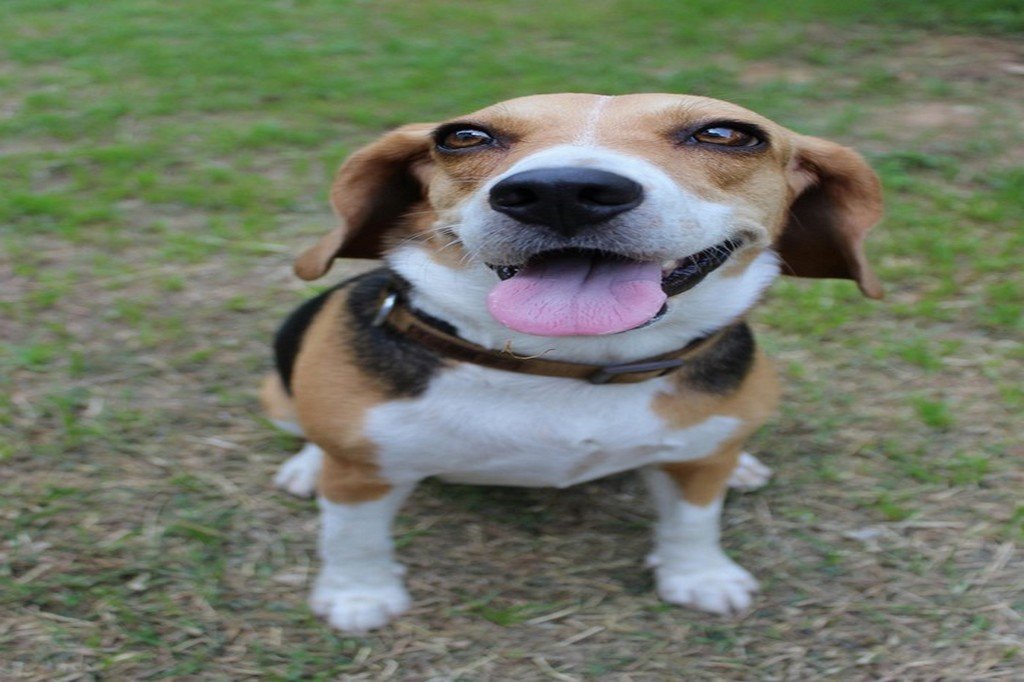
The Labrastaff, also known as Labstaff or Staffador, is a crossbreed between a Labrador Retriever and a Staffordshire Bull Terrier. This energetic and loyal dog combines the best traits of both parents. Before choosing this mixed breed, it’s essential to understand its needs, temperament, and lifestyle requirements.
1. What Is a Labrastaff?
A Labrastaff is a high-energy, athletic mixed-breed dog created by crossing a Labrador Retriever with a Staffordshire Bull Terrier. This breed thrives in active households and is best suited for owners who enjoy outdoor activities such as walking, running, or hiking.
This is not a couch-potato dog. Daily exercise and mental stimulation are essential for its well-being.
2. Personality and Temperament
Labrastaffs are intelligent, affectionate, and extremely loyal to their families. They often form strong bonds with their owners and are especially good with children. However, without proper training and socialization, they may become wary of strangers or other dogs.
Early socialization and consistent training from puppyhood are key to raising a well-balanced Labrastaff.
3. Size and Physical Characteristics
The Labrastaff is generally considered a medium-sized dog, though size can vary due to its mixed heritage. On average:
- Weight: 40–80 lbs (18–36 kg)
- Height: 17–24 inches (43–60 cm)
Females are usually slightly smaller than males.
4. Health and Common Issues
Labrastaffs are generally healthy dogs, but they can inherit certain conditions from their parent breeds. Some common health concerns include:
- Hip dysplasia
- Cataracts
- Joint problems
- Skin allergies
Regular veterinary checkups, a balanced diet, and proper exercise help reduce health risks.
5. Compatibility With Children and Other Pets
Labrastaffs are known for being gentle and protective with children, making them excellent family dogs. They are playful and patient but should always be supervised during interactions with young kids.
Some Labrastaffs may be protective around food, so it’s important not to disturb them during mealtimes. Proper introductions and boundaries are also necessary when living with other pets.
6. Grooming and Coat Care
The Labrastaff has a short, dense, straight coat that is easy to maintain. Grooming needs are moderate and include:
- Regular brushing to remove loose hair
- Occasional baths
- Routine checks of ears, teeth, and nails
Introducing grooming early helps prevent stress as the dog grows.
7. Feeding and Nutrition
A Labrastaff needs a balanced diet designed for medium-sized, high-energy dogs. Overfeeding or poor nutrition can quickly lead to weight gain and related health issues.
Dietary needs change from puppyhood to adulthood and into senior years, so professional veterinary guidance is recommended.
Frequently Asked Questions (FAQ)
1. Is a Labrastaff suitable for first-time dog owners?
Yes, but only for owners who are committed to training, exercise, and consistent leadership.
2. Are Labrastaffs aggressive?
No. When properly trained and socialized, they are friendly and well-mannered dogs.
3. How much exercise does a Labrastaff need?
At least 1–2 hours of daily physical activity and mental stimulation.
4. Can a Labrastaff live in an apartment?
Yes, as long as it receives enough daily exercise and outdoor time.
5. Do Labrastaffs shed a lot?
Shedding is moderate, and regular brushing helps keep it under control.
